Blog Archives

Amid a Perfect Storm

On January 20th, we will observe two significant national events-Trump’s inauguration and Martin Luther King, Jr. Day. I don’t know that I could ever imagine a greater dichotomy than that represented by by these two men. . .

When Experiencing A Mental Health Crisis
The shiny, new fan spun silently overhead while the rusty, old box fan roared at my back. helping to moderate the rising Texas summer heat and oppressive humidity. From the porch I watched the muddy waters of the bayou slowly nudge their way downstream, a testament to both the recent rains and the long-term drought conditions. The family river house was again my place of respite, reflection, and renewal. I wrote:
My mental health professional speaks in terms of a “reset” or “reboot.” In other words, “Let’s turn it off and in a bit, turn it back on and see what happens.”

Love Your God; Love Your Neighbors

My thoughts have been pinging on the phrase “your God.” More specifically, Matthew 22:37-39 has been on my mind: “Love the Lord your God with all your heart and with all your soul and with all your mind. … Love your neighbor as yourself.” Jesus proclaimed these…

What About “What About Easter?”
I wrote “What about Easter?” several months ago posting it to a local media blog The Tyler Loop Babble before posting it here. Not long after it went live on the site, probably within minutes if not seconds, I had this mind-rattling thought, Oh, my, what have I done! The thought was disturbing enough, but the accompanying feelings were downright unsettling.
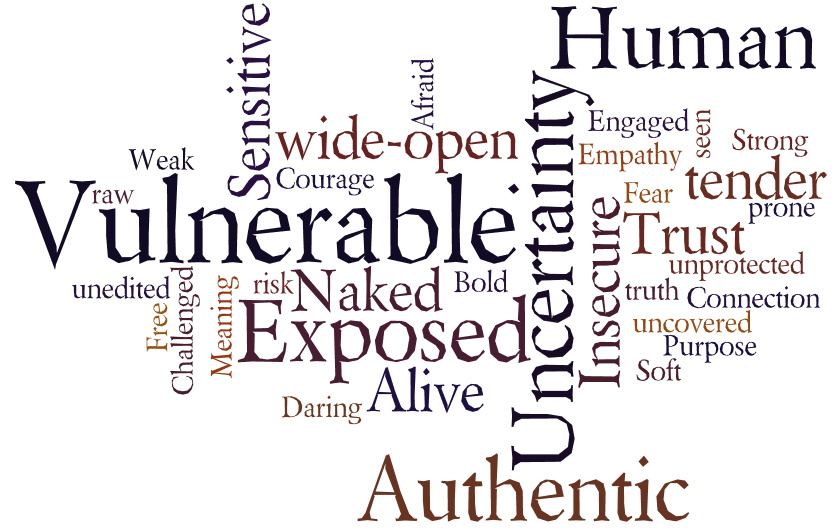
The feelings of vulnerability and exposure surprised me. Those feelings had little if anything to do with the content of the piece, and a whole lot to do with the fact that I said it out loud – well, I wrote it down. I threw my questions, thoughts, and belief journey out into the ether world for all to peruse, analyze, criticize, and judge. Now, I suppose that’s not a really big deal since anyone – aka yours truly – writing editorial and/or opinion content knows that it’s the nature of the beast and comes to expect analysis, criticism, and possible judgment. Thus, the need for a “tough skin,” a steadfast stance on said opinion, and/or solid supporting empirical evidence where applicable and available.
So, what was the vulnerability and exposure about? Hum! Reflecting on that question, the best answer I came up with regarded cultural context. I/We live, work, and play in the East Texas Bible Belt where the faith tenets of traditional and evangelical Christianity abound. Texas as a whole ranking #11 in the 2022 Most Religious States with 64% of adults reporting as religious.
I doubt that my thoughts expressed in “What about Easter?” reflect those of most East Texas religious folks. Or I wonder? Does our fear of vulnerability and exposure when going against the grain of perceived or real public opinion thwart the expression of our genuine thoughts and feelings? Maybe there are more folks with questioning, outside-the-box thoughts and beliefs, but keep them to themselves. Does that fear shroud our genuine selves? If that fear did not exist, how many of us would risk stepping out and going against the grain for the sake of freedom of expression and an authentic life.
I found it interesting that not long after my bout of vulnerability and exposure, a group of friends posed the question, how do we help folks with different, against-the-grain, outside-the-box thoughts and feelings on any issue be able to step up and speak out? I don’t know. However, I do have an opinion on that: As more of us step up, risk the vulnerability and exposure, and respectfully express our against-the-grain thoughts and feelings, others will as well. There is encouragement, motivation, and power in knowing one is not alone.
Post navigation

An Antidote for Our Ailments — Dig Deep!
I attended a meeting of our Tyler Public Library Board last Wednesday, June 1st, at Liberty Hall. The purpose of the meeting was to conduct a public hearing to discuss and consider a Library Patron Request for Reconsideration of Library Materials. The meeting turned contentious, with hostile comments and threats, verbal and possibly physical as I heard “don’t touch me” several times from an encounter which I did not turn to observe.
Library staff were accused of “handing out pornography to our children” which is blatantly false. The book in question, Blue is the Warmest Color by Jul Maroh, is classified as an adult graphic novel and is shelved on the second floor. All children’s books are shelved on the first floor.
Also, the library does not “hand out” books of any kind. Books are chosen and checked out by individuals exercising freewill and freedom to choose or not to choose — adults, young adults ideally with parental guidance, and children surely, hopefully with parental supervision and limits. I hate that our professional, dedicated library staff are being viciously maligned and caught in the crosshairs of our current cultural and societal chaos that is far more significant and way more insidious than any book – even this one, Blue is the Warmest Color by Jul March
The atmosphere and actions during the meeting were not shining examples of our perceived serene, congenial, and lovely rose and azalea adorned community. I was both appalled and deeply saddened by the display of toxicity and entrenched divisions. Yet, given the current political and social state of our nation, I can’t say that I was surprised. Whether we wish to face it head on or not, Tyler is a microcosm of all that is both ill and good with our nation politically, racially, culturally, and spiritually. Seeking refuge in our bubble of sweet-smelling roses and azaleas while ignoring the growing rot of division and its root causes is a hazardous path destined for debacle.

We are at a pivotal juncture at all levels of our being. Is it not time for us as individuals, a community, and nation to dig deep, take a long, hard look inward – individually and collectively — to discover and address the root causes of our anger, hate, and divisions? Can we the people not call upon our better angels for the courage to dig deep, the boldness of heart to transcend our differences, and the firmness of purpose — “to form a more perfect Union.”
I know, digging deep is hard. I hope we are up for it. I cringe to think of where we might be headed if we are not.

We are Breaking or Broke! Why?
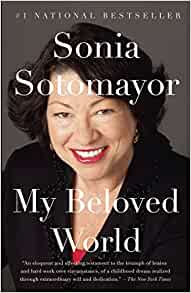 In my recent reading of My Beloved World, Supreme Court Justice Sonia Sotomayor’s memoir, I halted at this statement:
Was it so hard to see himself in the other man’s shoes? I was fifteen years old when I understood how it is that things break down: people can’t imagine someone else’s point of view.
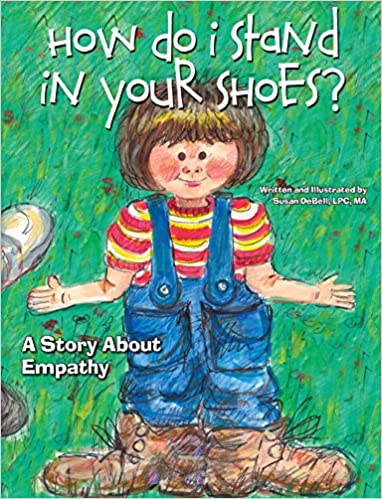 As an elementary school counselor, I read How Do I Stand in Your Shoes to my third-grade students. I introduced the story by presenting the children with an assortment of shoes and allowing them to speculate on who might wear each shoe and what their life might be like. The room always filled with “Oooh’s” and “Wow’s” when I pulled out my uncle’s size 16 house shoes. The lesson was not about shoes, but about empathy and how we can learn to put ourselves in another’s shoes and try to understand and feel how they are feeling in any given circumstance. Sotomayor had her revelation in 1969. I was teaching my third graders in 2001-2010.
It is 2020, and Sotomayor was correct in her understanding of 51 years ago. Our society seems to be breaking down, if not already broke. Why? We don’t seem to be able to, or refuse to, empathize – to imagine someone else’s point of view and understand their feelings as if they were our own. If we can’t empathize with someone, then we can’t feel or even identify with how they might be feeling. The “Golden Rule” – we are to treat others the way we would want to be treated – is often asserted as the guide for our actions toward others. But if we can’t put ourselves in the other person’s situation and feel what he/she might be feeling then how can we be expected to discern how we would want to be treated in that situation and act accordingly.
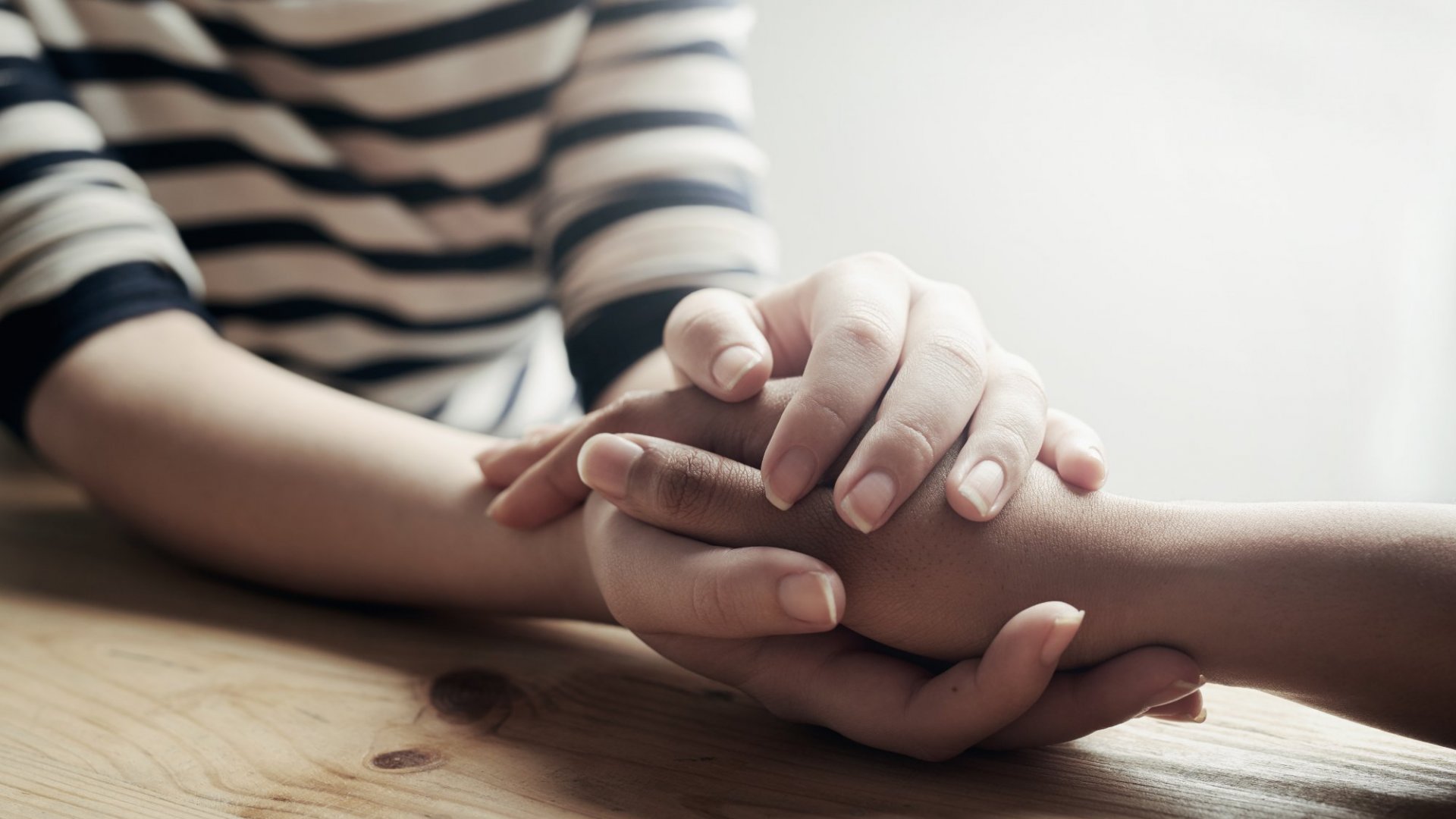 Without empathy, we have lost our guide in making just and compassionate choices in our behavior. Without empathy, we become susceptible to indifference, apathy, and lack of concern for others’ well-being. Without empathy, the spark that informs our humanity is snuffed out. Without empathy the bridges needed to traverse the chasms of race, culture, religion, and nationality for the enhancement of our greater good are absent – simply not there. Our sense of community is based on empathy, and without empathy our communities crumble. Our communities are the foundation of our nation.
Even a cursory glance at today’s news headlines – our racial and cultural divisions, our divisive political atmosphere, our petty bickering over issues that should not be argued – illustrate how we, as a society and nation, are breaking or broke. Granted, there is the occasional oasis – oasis whose foundation is empathy – imagining the other person’s point of view and understanding how they are feeling. We have seen teenagers organizing food deliveries for seniors, a 12-year old play his trumpet for weary medical workers, nurses volunteering to serve in Covid hotspots, and moms and grandmothers joining peaceful Black Lives Matters protest.
This gives me hope! Hope that these and others of us showing empathy, modeling empathy for others, and nurturing empathy in others will be the incubators for more empathy among us all and the glue that holds our beloved world — breaking or broke — back together.

What We Reveal When Wearing a Face Covering, or Not!
As our nation struggles to manage, mitigate, and survive the initial outbreak and the current devasting spike in COVID-19 cases, we find ourselves in an unfamiliar place. We are at the “bottom of the heap” globally due to our leading the world in the number of confirmed coronavirus cases and deaths. In the midst of this public health crisis we seem to have lost our focus on who we are, or proclaim to be, as a people and a nation. We are floundering, failing, and flailing at one another! We have allowed our ideological idiosyncrasies – be they political, economic, religious, cultural, or racial – to overshadow our moral judgement and truths which our founding forebearers espoused to be “self-evident.” This is no more evident than in the current bickering, backbiting, and bad behavior associated with the face covering issue.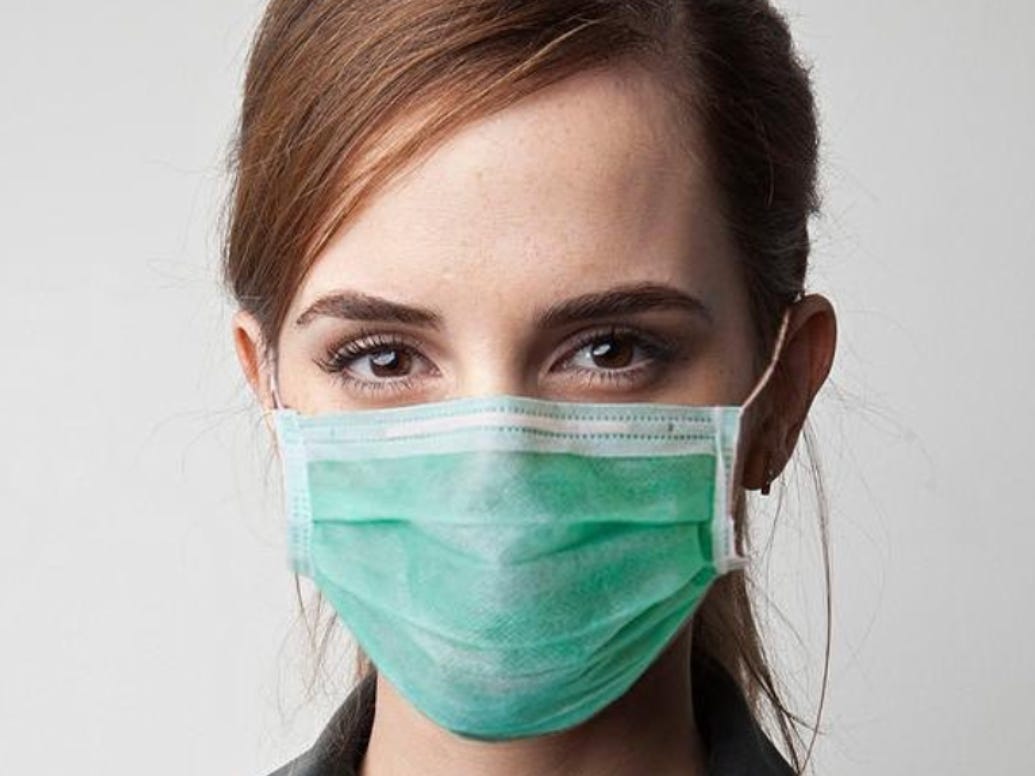
It would appear that the science and medical advice purports the benefits of wearing a face covering in lessening the spread of the virus, and thus, “flattening the curve” – a vital step in re-opening our economy and returning our social/community life to some semblance of a “new normal.” So why has wearing a face covering, or not, become such a flashpoint for debate, argument, and even violence. The face covering issue has become politicized. Perhaps this is subsequent to our President and his supporters refusing, against all medical advice, to wear one. Regrettably, and shamefully, the face covering has become one more wedge in our abhorrent practice of divisive politics.

Also, those opposed to wearing face mask often justify their position claiming rights of liberty and freedom. I get that! We Americans are a gritty lot, forever exalting our independence and railing against any intrusion or interruption thereof. But lest we forget, there are limits to our liberty. In his 1859 essay “On Liberty” John Stuart Mill defined liberty as “the limits that must be set on society’s power over individuals.” That’s good! Likewise, Mill also reminds us that “The only purpose for which power can be rightfully exercised over any member of a civilized community, against his will, is to prevent harm to others.”
So, given the science and the medical advice, is it reasonable to infer that our government entities issuing orders to wear face coverings are well within the bounds of their responsibility to “prevent harm to others.” With this being the case, the refusal of some of our law enforcement agencies to enforce the face covering and penalty order would seem to be in direct opposition to their duty to uphold the rule of law and protect the citizenry from harm. What does it reveal about our society when individuals refuse to obey a lawful order, and when our law enforcement refuses to enforce that order? A governor’s executive order, though not a duly legislated statute, does carry the weight of law. Does a blatant disregard for the law border on anarchy?
Putting political, liberty, and law questions aside, what is the bottom line to be considered when we are making the decision to wear, or not wear, a face covering in this time of global pandemic and monumental surges in the number of COVID-19 cases. Let’s remember the words and concepts found in our Declaration of Independence. Counted among our Creator endowed “unalienable Rights” are “Life, Liberty and the pursuit of Happiness.” Let’s not get hung up on liberty and happiness because, frankly, neither are viable options without life. Imagine rounding second and third base, heading for home plate, anticipating a homerun, but failing to tag first base! Again, science and the best medical knowledge available to us indicates that in our current situation wearing a face covering is fundamental to lessening the risk of spreading the virus.
In wearing a face covering, we are choosing life – ours and our neighbors. In doing so we are practicing our belief in the self-evident truth that life is an unalienable right for all man(kind). In choosing to wear a face covering, or not, we are revealing a basic personal truth, not about politics, liberty, or the law but about the value, respect, and regard we have for life – all lives. Our truth is written all over our face — covered or not!

“Black Boy” . . . in America
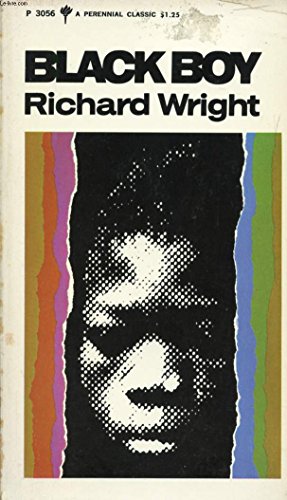
2001 Edition
I was finishing Richard Wright’s 1945 groundbreaking memoir, Black Boy, when the news broke of George Floyd’s death. I was horrified, incredulous even as I watched the appalling video. How could and why would anyone keep an unarmed, handcuffed (behind his back) man pinned to the ground with a knee on his throat even as he pleaded that he could not breathe and was in pain? I don’t know that there is any acceptable answer. The events of the day and Richard Wright’s story of growing up black in the Jim Crow South set me to wondering Have we made any meaningful progress in the past 100 years?
1998 Edition
In Wright’s story he states that “. . .a sense of the two races had been born in me with a sharp concreteness that would never die until I died.” As post World War I racial conflict flared in the South, he recognizes that “A dread of white people now came to live permanently in my feelings and imagination.” As a ten-year old Wright listened to stories of violence against blacks and reports “Nothing challenged the totality of my personality so much as this pressure of hate and threat that stemmed from the invisible whites.” Wright’s story offers some sense of what it was, perhaps still is, like growing up a “black boy” in America. Admittedly as a white woman, I could never fully understand or appreciate his feelings or life experiences.
On the surface we have made some positive strides toward racial equality and equity. We no longer see the signs at water fountains, restrooms, or business establishments designating which is accessible for “White” or “Colored.” Our schools are integrated and open to all races, if not in reality at least in theory and public policy. Yet there remains an undercurrent of racial segregation and inequality in the most vital of our societal structures – such as our neighborhoods, our places of worship, our educational and job opportunities. We see disproportionate amounts of poverty and violence among African Americans. Many hearts and minds have been opened and awakened to the racial disparities in our society and are compelled to speak out and work for change in these vital areas that impact the future and well-being of all our people, our society, and our nation.

2007 Edition: 100th Anniversary of Wright’s Birth
Even so racial prejudice, both explicit and implicit, and violence targeting African Americans has always and tragically continues to be alive and well in our society. From the “terror lynchings” of the Civil War, post-Civil War, and Jim Crow eras to the murders of Emmett Till, James Byrd, and most recently Aubrey Ahmad private citizens have committed acts of violence against African Americans for no apparent reason other than racial hatred. Most recently, we have seen seemingly senseless deaths of African American men at the hands of our police – those who have pledged to “never betray my badge, my integrity, my character, or the public trust.” We all remember Michael Brown and Ferguson, Eric Garner in New York, Freddie Gray of Baltimore, and now George Floyd in Minneapolis.
It would seem that regardless of our positive strivings, racism – racial strife, hatred, and violence – continues among us. I am reminded of Wright’s words:
“… both of us, the white boys and the black boys, began to play our traditional racial roles as though we had been born to them, as though it was in our blood, as though we were being guided by instinct. All the frightful descriptions we had heard about each other, all the violent expressions of hate and hostility that had seeped into us from our surroundings, came now to the surface to guide our actions.”
2020 75th Anniversary Ed
Let’s listen more and better. Let’s hear the words of Richard Wright and our African American neighbors. Let’s strive to understand, appreciate, and affirm one another. Let’s take action and make more meaningful progress in breaking the bonds of our “traditional racial roles” and crumble the “sharp concrete” between races.
Perhaps this can best be done by expanding on and living out a couple of Wright’s insights. In spite of the “place” the white South had assigned him, he states emphatically that “It had never occurred to me that I was in any way an inferior being,” and that no word he had ever heard “made me really doubt the worth of my own humanity.” God help us to claim and boldly live out our belief that all men are created equal and by the mere fact of their humanity all men are worthy.
And, let’s follow Wright’s lead and keep hope alive in us “by imagining a place where everything was(is) possible.”

Walking. . . and Walking!
 In these uncertain, sometimes surreal, times as we continue to navigate this uncharted coronavirus, so much in our lives is different. I strive to maintain some constancy and familiarity with my daily walks. Walking is one thing I can continue to do without violating any stay-at-home orders or wearing a face mask (I can’t seem to keep my glasses from fogging up!) all while accommodating the social distancing rule. So, I walk, and I walk some more!
I tune into Pandora on my phone and take off. Occasionally I dial in my Disco Station particularly if I feel the need for a brisker, aka workout, walk. Most of the time I opt for the quieter, soothing sounds of Relaxation Radio or Enya. Of late, my walking is more about seeing, reflecting, pondering, processing, and meditating. The exercise, albeit a good thing, is not the primary focus.
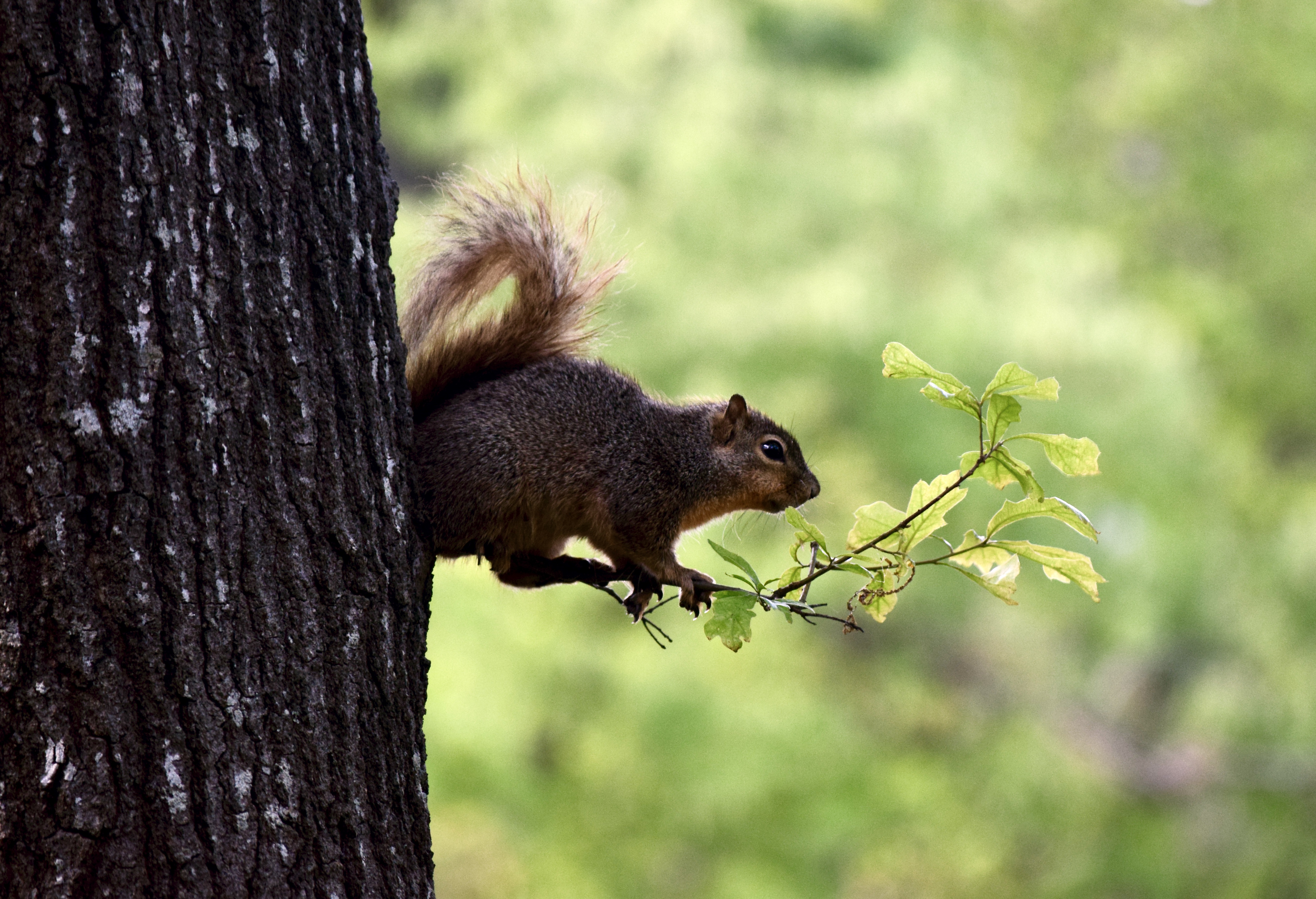 As I walk, I look up, around, and down practicing wakefulness in the moment, resting in the rhythms of connection to myself and my surroundings. I see the squirrel perched precariously at the tip-end of a tiny limb. How does it not break! I see and hear the dogs barking and jumping at the fence as I pass. I don’t think, I hope, they can’t jump over it! I see the steadfast sky, serene and majestic in its brilliant blue or ominous and quarrelsome dripping gray. The stalwart lilies and irises turn their
  vivid, multicolored faces to the sun. I see the sap rising in the trees oozing out in variegated green leaves of all shapes and sizes – a gorgeous contract against the blue sky. I feel the warm, spring sun tempered by a slight, cool breeze. I delight in seeing the youngsters on their bicycles and scooters.
I reflect. It is all so good, so joyous! I ponder the contrast between the vibrance and beauty around me and the devasting reality currently engulfing our world – sickness, death, hunger, uncertainty. Added to this is the personal grief and loss with the recent death of my twelve-year old great-niece. The angst is palpable! I walk. I process. I embrace the both/and of my realities. I walk meditating. Borrowing from our Buddist friends, I lean into the sharp point, feeling the pain and losses for myself, my family, and the world. Yes, at times the tears do come. I breathe exhaling the pain. I breathe in the serenity, comfort, and peace that surrounds me. I keep walking.
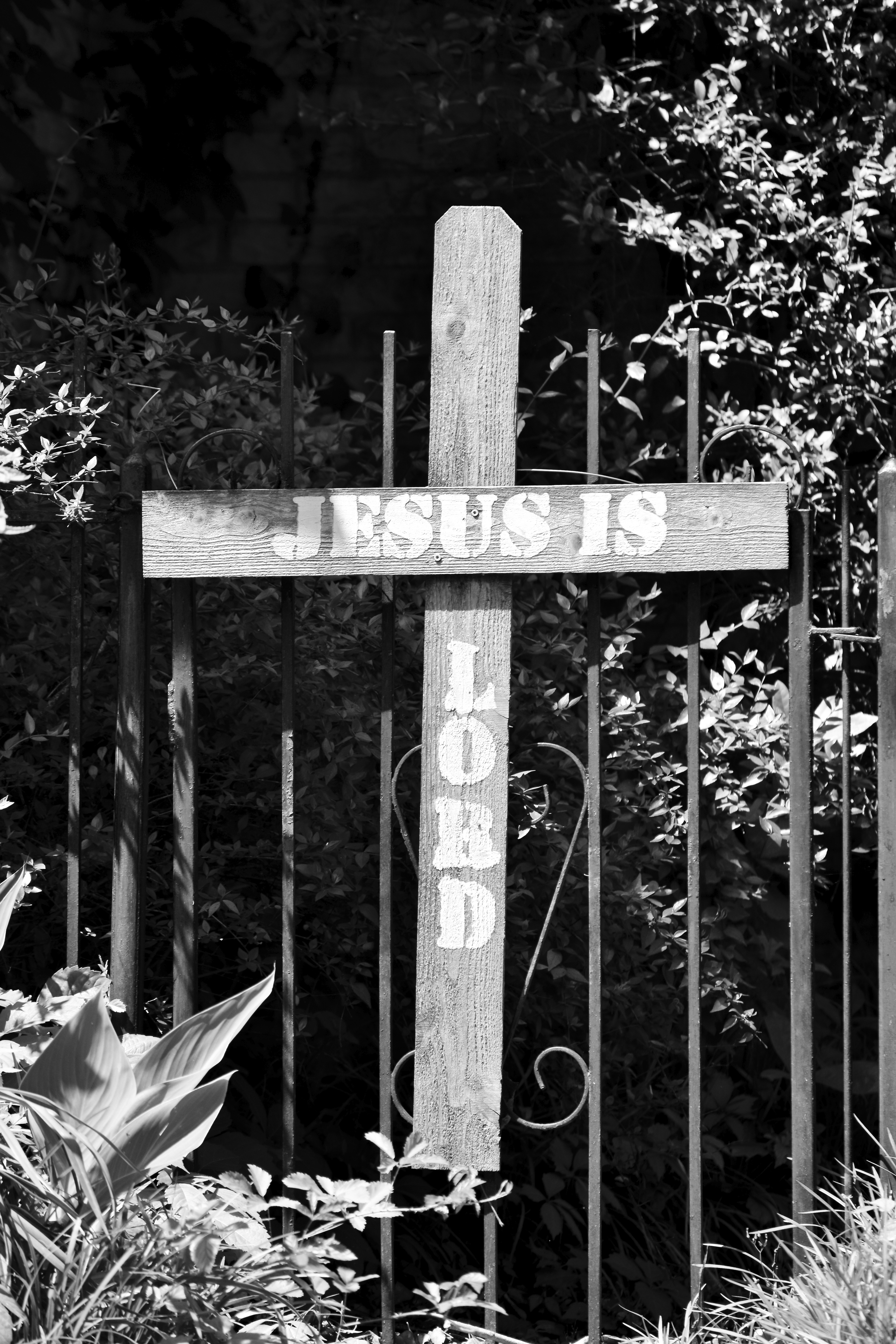 This morning as I walked, I thought about Jesus and how much he and his disciples walked. I imagined their sandeled feet steadily walking the dusty roads, cobbled streets, and lush gardens. I wonder what their walks were like. I kept walking!

Dan Patrick may be “All In,” But This Granny is NOT!
 I am a grandmother, and despite our Lt. Governor Dan Patrick’s claims, I am NOT willing to sacrifice my life for the economy so that my grandchildren, whom I love dearly, can keep “the America that all America loves.” My unwillingness is not due to a fear of death; however, as my longtime friend, Father Tom Jackson, says, “I am not afraid to die; it’s the dying that scares the hell out of me!” If the situation were a matter of true life or death, of course I would stand in for my grandchildren. But for the economy – no way! Patrick’s comments are abhorrent from the mere perspective of placing greater priority and value on the economy over the value of life and family. I get what the coronavirus is doing to our economy. The impact on the marketplace, our means of livelihood, and our workers is and will continue to be calamitous creating hardships for millions of folks, in some cases dire hardships.
We, as a people and a nation, have endured periods of difficulty and hardship throughout our history and have come out on the other side stronger, i.e. the Great Depression, 1918 flu pandemic, two world wars, 9/11. There is no reason to think differently in this instance, unless years of relative ease have weakened our resolve and warped our individual and national character. Moreover, were us grannies willing to be sacrificed to save the economy, “the America that all America loves,” what would our grandchildren miss out on. For some reason Mark 8:36 comes to mind: What good is it for someone to gain the whole world, yet forfeit their soul?
Now I don’t know that our grandchildren would lose their souls, but I do believe they would stand to lose a lot. One loss, definitely the presence of loving grandparents. Granny and Pawpaw (or whatever you call them) offer wisdom, stability, safety, and fun. Some research indicates that children who have an emotional closeness to grandparents are happier and less prone to depression as adults. There is a reason that humans are the only species (a few whales excepted) that have grandparents.
What else might our grandchildren lose if they were to live undaunted in the economy, consumerism, and comfort of “the America that all America loves.” Opportunity, perhaps? Opportunity that often comes in the disguise of adversity. Though hardship is difficult, I hope with the encouragement, guidance, and love of parents, grandparents, and a supportive community that my grandchildren would be able to endure the hardship and rise above it through perseverance, sacrifice, and a strong work ethic. I like what Washington Irving has said:
“There is in every true woman’s (man’s) heart, a spark of heavenly fire, which lies dormant in the broad daylight of prosperity, but which kindles up and beams and blazes in the dark hour of adversity.”
My hopes and prayers are that our grandchildren’s hearts would “beam and blaze” courage, tenacity, ingenuity, compassion, honesty, and integrity in the midst of any future adversity. Billy Graham reminds us that “Comfort and prosperity have never enriched the world as much as adversity has.” To shield our grandchildren from hardships robs them of opportunities – for loving, for learning, for character growth – opportunities to enrich their lives and the world. I don’t want my grandchildren to miss any opportunities!
Lt. Governor Dan Patrick may be “All in.” with risking Granny and Pawpaw’s lives to keep the economy from falling, but this granny is most definitely NOT — especially for the sake of the grandkids.
 Pilgrim Seeker Heretic