Whether walking in the woods, on the shore, or over the rocks, I try to pay attention. I am always astonished!
Category Archives: Seeker

Netflix’s “Messiah” – Are We Asking the Wrong Question?
I don’t know if it classifies as binge watching, but I watched all ten episodes of Netflix’s new series, “Messiah,” in four days. Pretty much a record for me! I have been mulling over various aspects of the program since then (over a week) and can’t seem to clear my mind of it so I just need to say what I think.
I have read several reviews of the program and most of them pan the series citing numerous flaws from ambiguity,poor story lines and character development, to “no deep theological grounding or specificity.” Some of these I agree with and some I do not even while acknowledging that I am by no means schooled as a cinema critic or theologian. I do believe that the program made some salient points regarding the coming of the Messiah – both first and/or second – and our receptivity – historical and/or future – of the Messiah.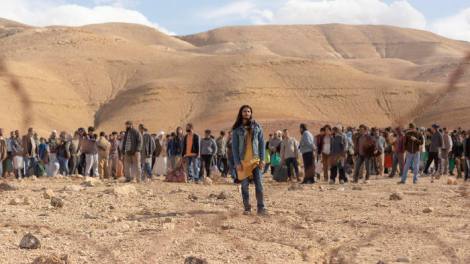
The overbearing question throughout the series seems to be, “Who is he? Is the stranger, dubbed Al-Masih (the Messiah) by his followers, the Messiah, Jesus Christ, returned?” “Who is he,” is a centuries old question beginning when Jesus asked Peter, “But who do you say I am?” (Matthew 16:15; Mark 8:29; Luke 16:15). Folks through the ages have answered that question in a variety of ways and will continue to do so. With regard to Netflix’s “Messiah,” I believe perhaps we are asking the wrong question. Maybe the more relative question is, “Who are we; who am I?” Can we see ourselves in the characters portrayed in “Messiah?”
Are we the prostitute, paid by a high-level government official to seduce Al-Masih as a means to discredit him, who upon experiencing his gentle confrontation of her life, “How can you be the person God intended if you are not honest about who you are?” and hearing, even in the wake of her deception, the truth of God’s love for her walks away repentant and changed. Are we the agent who deceptively witnesses this encounter and walks away changed – to the point of quitting his job. Are we, am I, like these two — truly changed when touched by the love of God?
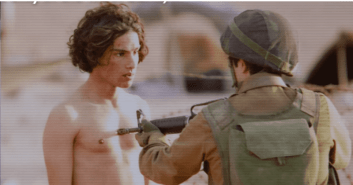 Are we Jabril, the young Al-Masih follower who stays true to his belief in Al-Masih even as Al-Masih has seemingly abandoned them in the desert at the Israeli border? Through injury, thirst, and hunger Jabril is sustained by his belief and the dreamy appearances of his deceased mother who had told him, “God has a different plan for you.” It is Jabril who courageously leads the remnant of followers into Israel, and some critics speculate that he is the real Messiah. Did Jabril’s touch revive the apparently deceased Qamar? Or, perhaps Jabril is not the Messiah but simply a true disciple and as Jesus said, “I tell you the truth, anyone who believes in me will do the same works I have done, and even greater works…” (John 14:12 New Living Translation). In all our claims to be Christian, are we, am I, like Jabril, a true follower of Christ?
 Are we Pastor Felix Iguera who was disillusioned with church and ministry to the point of dousing his church with gasoline before it was miraculously saved from a tornado? Iguera experiences a roller coaster of despair, confusion, doubt, and hope only to succumb to his own weaknesses and family frailties. Claiming to be a humble servant and wanting only what God wants, he takes the reins and arranges for AL-Masih to appear on his millionaire, televangelist father-in-law’s show claiming “this is what God wants” Al-Masih agrees, but when he walks away from the appearance Iguera is again in confusion and despair.
When the story breaks that Al-Masih, by his own admission and hard evidence, is a mortal man, Iguera returns to his church and in what seems to be an act of lost faith he does indeed burn it down. This brings me to a question of our faith. If the true Messiah, Jesus, is not the literal Son of God, does that negate his message to the world? Does that mean Jesus was not God’s anointed? Is our belief in Jesus as God’s Word to the world based solely on our belief that he is the literal Son of God? Are we, am I, Pastor Iguera?
 Are we Aviram, a hard-nosed, tormented, vengeful, often brutal Israeli agent, who is intent on catching Al-Masih and exposing him as a fraud? Aviram is unwavering in his purpose even as he is shaken by Al-Masih’s knowledge of his past bad acts. He flirts with belief yet remains hard-hearted. Not until he is facing imminent death and tormented by his sin, his “failure to choose goodness,” does Aviram say, “I’m sorry,” as the plane crashes. Are we Aviram — tormented with shame, hardened, and unable to accept God’s love?
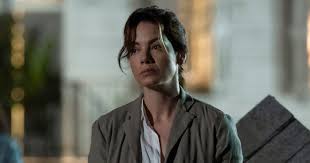 Are we Eva Geller, the CIA agent, sparing with Aviram, and equally determined to debunk Al-Masih and uncover his real intent? Eva has issues. Her identity is in her work. She has a strained relationship with her father, grief and guilt over her late husband, is distraught over not being able to have children, and is sensitive about her mother and her Jewish heritage. In her own words to Aviram, “I am as messed up as you.” She too is shaken by Al-Masih’s knowledge of her past which further solidifies her efforts to find “the truth.” Even as she finds evidence of “the truth” of Al-Masih’s identity and suspects that the U. S. government shot down the plane carrying him back to Israel, she appears to continue to run from the truths of her personal life and emotional distress – she remains a lost soul. Are we Eva?
Yes, “Messiah” has spawned questions and controversy among viewers and critics. Of course, Christ, the Messiah, has stirred questions and controversy for centuries. Ultimately the question “Who is He?” is only answered by each of us individually in our own unique way based on our beliefs. In regard to the question, “Who are you/Who am I?” I am drawn to Al-Masih’s words, “How can you be the person God intended if you are not honest about who you are?” Honestly, answering that question is not easy. “Messiah” offers numerous character mirrors. Do we see ourselves in them, and what can we learn from them?

A New Tempo?
It is January 3, 2020, and I can’t seem to get started in this new year. Perhaps this is due to my still processing the last of 2019. I checked my sister out of the hospital on August 19, 2019 and took her to our family home (where our parents once lived) located on Big Cypress Bayou outside of Jefferson, TX. The plan was to spend about three weeks there caring for her as she recovered from a partial foot amputation. Unfortunately, the healing did not go as well as hoped and three weeks turned into three months!
Outside of her foot not healing and my missing my home and wife, who did come and stay a few days a couple of times, it was a different and mostly good three months for me. We visited, reminisced, watched television, and each had ample time to ourselves. I spent a lot of my free time on the porch rocking, reading, journaling, writing poetry, and simply watching in awe the natural world surrounding me. My journal entry from October 14th sheds a bit more light on the experience:
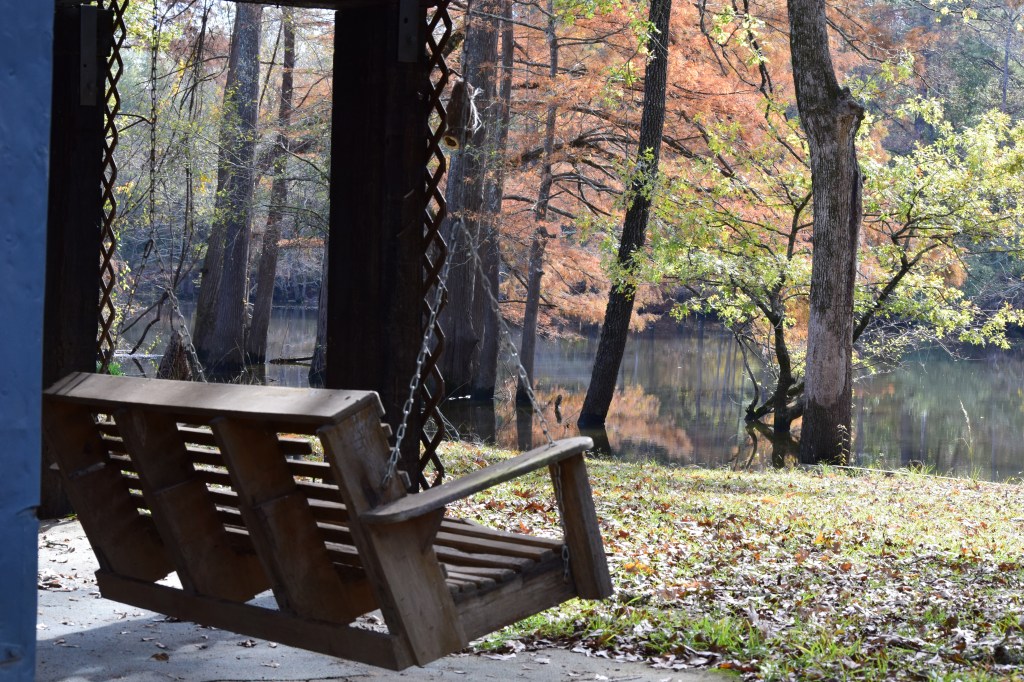
I’ve chopped and diced vegetables and the soup is simmering in the pot. It is marvelous sitting on the porch. The heat has finally – I hope – moved away and the cool air is welcomed. Actually, it is raining with a steady chorus of drops making their “pits, pats, plops” on the tin roof. Drips are becoming steady ropes of water running off the roof’s edge. The river is pelted and puckered with raindrops. The rain and gray sky meld to form a haze surrounding the trees across the water. Quite calming and restful!
Yet, I feel a bit anxious and unsettled. Perhaps ambivalence might be a more apt description. I have been here for almost two months caring for my sister following a partial foot amputation. The healing has not gone as well as hoped, and she is still under doctor’s orders to put no weight on the foot. I have kept busy with her care, meal preparations, laundry, cleaning, and mowing. I have pressure washed a 10’ X 60’ porch and the front of the house. I have dusted, vacuumed, or mopped everything in the house. I have cleaned and reorganized much of the huge pantry and the bedroom walk-in closet. I have taken down, washed, and replaced every curtain and drape in the house – at least all those that could be removed.
I have rewired and configured the TV antennae and cables. We now get 25+ channels instead of the previous eight to ten. And, yes, I must admit that I have watched more TV in the last two months than I have in the last two years. I have played too numerous to count solitaire games on my computer (no internet or cell service down here) to the point I believe the program is duplicating games. I have mowed two acres of grass sometimes going over the taller areas two to three times. I have used the weed eater trimming the tall grass on the riverbank until my elbow hurts.
I have made four trips home to Tyler for personal appointments and commitments and two trips to Henderson for doctor appointments. All totally about 1000 miles on the road. I just returned from three days at home catching up on paying bills, household concerns, and social and civic commitments.
Why the ambivalence? Using Brother Lawrence’s words, “to chop wood, and carry water” along with the quiet, serenity, and solitude of the surroundings seems to have precipitated some shift within my being as I feel more centered and settled. As I ponder on that for a bit, my thoughts return to my reading of October 3rd:
I find more and more the power—the dangerous power—of solitude working in me. The easiness of wide error. The power of one’s own inner ambivalence, the pull of inner contradictions. How little I know myself really. How weak and tepid I am. . . . Everything has meaning, dire meanings, in solitude. And one can easily lose it all in following the habits one has brought out of common life (the daily round). One has to start over and receive (in meekness) a new awareness of work, time, prayer, oneself. A new tempo—it has to be in one’s very system (and it is not in mine, I see).
And what I do not have I must pray for and wait for.
—from A Year with Thomas Merton: Daily Meditations from His Journals (October 25 and 30, 1965, V.309-10)
Perhaps therein lies the basis for my ambivalence. Perhaps I fear losing it all upon returning to “common life (my daily round).” Perhaps my 2020 is to be a time for “a new tempo.”

Going Upstream with Mary Oliver
In her recent Baptist News Global piece, Hidden pencils, urgent warnings and instructions Mary Oliver left the Church, Carol Davis Younger offered a lovely tribute to poet, Mary Oliver, and an insightful exhortation to the church to approach “Scripture – and our world – with the holy curiosity and expectancy Oliver did when she went to the woods and to the shore.” As Younger shared her experience with Upstream, I caught my breath and embraced the mutuality of our stories, our experiences, and perhaps our feelings – Mary Oliver’s, Younger’s, and mine.
I too became better acquainted with Mary Oliver through her collected essays in Upstream. I was drawn to the book, so much so that I paid full, independent bookstore price for it. Something I rarely ever do! I had admired Mary Oliver as a poet and was curious as to her prose. Being a woods wanderer and stream jumper, the title Upstream, and its connotation of going against the flow, which I often do, piqued my interest. The cover photo looked like a place I would enjoy. I fully understand Younger’s response to the essay, “Power and Time.” As I read the essay, I felt that I was personally being both affirmed and admonished. I am keenly aware that my creative self needs solitude, a place apart, without interruptions. Oliver buoyed my spirit with her affirmation of this then promptly admonished me for being my own primary interrupter.
But just as often, if not more often, the interruption comes not from another but from the self itself, or some other self within the self, that whistles and pounds upon the door panels and tosses itself, splashing, into the pond of meditation. And what does it have to say? –Upstream, page 23
For me it says that I need to attend this civic meeting, that I should give my wife more time and attention, that I must do my share of home maintenance. Returning to the creative work often finds that the spark of an idea has dimmed and the flow of words has dried up. In the creative work we can be, and probably are, our worst impediment.
Oliver tells me that the “machinery of creativity” can’t be controlled or regulated. I believe it! More times than I want to recount I have awakened in the wee hours of the morning with an idea or a string of narrative going through my head. Over time, I have learned it is best that I go ahead, drag myself out of bed, and write it down for I will not be able to sleep if I don’t.
For me, as perhaps for Anderson, Oliver’s most unsettling words are:
The most regretful people on earth are those who felt the call to creative work, who felt their own creative power restive and uprising, and gave to it neither power nor time. — Upstream, page 30
I most assuredly will join Anderson as a “candidate for future regret” as I see a bouquet of withered buds of exciting ideas and plans that failed to blossom because I did not nurture them with power and time. I suppose my task going forward is to recognize the tiny buds of creative thoughts and ideas and give them their needed power and time. I suspect it will be an erratic path even in all my efforts to “keep my eyes on eternity,” reject the responsibilities that have claimed me, and discard the “many heavy coats” that burden.
My prayer, with a bit of assist from Mary Oliver, as I move forward is:
In my wild and precious life
May I stay forever in the stream.
May I pay attention and find my devotion.
May I be astonished at the profound simplicity of our natural
world,
Even as I marvel at its intricate complexities.
May I be humbled by its majesty.
May I revere the fruit of the earth-the grass, the flower, the tree.
May I respect the creature — the minuscule and the mighty.
May I glorify the Creator of it all and be grateful.
May I hear the silence that calls to me.
May I feel the rippling waters.
May I stay forever in the stream.
Whether with voice or pen in hand, may I tell about it all.

Church This Morning: Beyond Words and into Story
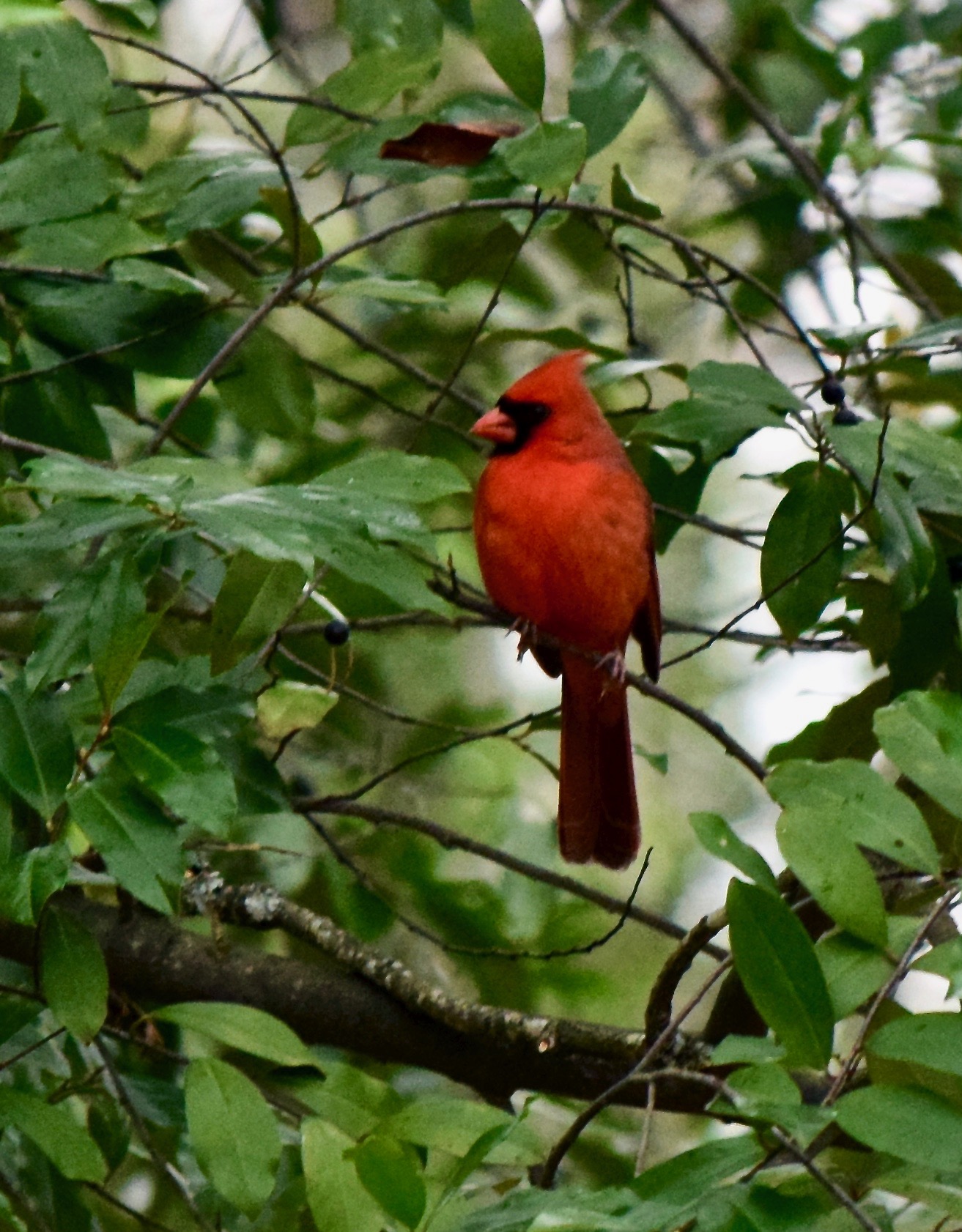
I slept in and probably got the best sleep I have had in weeks. I greeted, kissed, held my wife, and told her “I love you!” (which I truly do). I had my coffee and cereal for breakfast, then caught a bit of “This Week” on TV, nothing new just a bummed and bleak outlook of politics as usual. We watched a beautiful cardinal in our back yard. Of course I took a picture! I then listened to the music portion of the worship service at our local mega-church. Good, yet I felt a bit of disconnect with cameras zooming in on the abundance of technology and aura of performance.
Since my return to Turn This World Around a few weeks ago, I created an Amy Grant station on Pandora. Well that might be some worshipful listening! I tuned in and skipped around listening to parts of a couple of good songs, once among my favorites, “I Can Only Imagine,” and “Shout to the Lord.” Actually, I skipped so many songs that the program would not allow any more skips and forced me to listen. I turned it off! Too many words and too much busy noise.
Suddenly I had this thought, like an epiphany. Beyond words! It is as if, for me, words are no longer a necessary nor perhaps meaningful mode of worship, my spirituality, or my connecting with God. Now, all of that seems to come with practicing Psalm 46:10 “Be still and know that I am God.” which is not so much about being quiet and motionless as it is about letting go, releasing control, and acknowledging vulnerabilities in order that we may know God and His power in our lives and the universe. For me it is about worshiping and knowing God with and through a heart of faith.
Don’t get me wrong! I am not saying that words are nonessentials in our spiritual lives. After all, what am I doing now—writing, sharing my thoughts with words. We use words to share our stories, to connect with one another, to foster meaning and understanding with all sorts of folks in our daily lives. Maybe somewhat like the parables of Jesus. Perhaps only as we go beyond words in our personal worship and spirituality can we use words efficiently and effectively in the enhancement of God’s Kingdom on earth.
As I continued my “church,” I reached for an old journal to write about my Beyond Words! epiphany. Go figure on that one! I thought the journal was empty, and this would be the beginning of my renewed commitment to “story” and story writing and listening. However, the first several pages were filled with quotes from an old reading of Dan Allender’s To Be Told: Know Your Story, Shape Your Future. Coincidence, maybe or maybe not. I was awed as I read what I had copied years ago. Do I still have the book? Yes! I found it on the shelf between David Gushee’s The Sacredness of Human Life and Jim Wallis’s On God’s Side. A couple of quotes that jumped from the pages of To Be Told:
Nevertheless, every story given to us and every story told to another is a precious gift that has the potential to seed us with God. – page 211
It is my responsibility to own what deeply moves me and then to live it out for the sake of others. – page 68
I am passionate in my belief that everyone’s life is sacred, and as we share our stories with one another we invite greater understanding and compassion – we become portals of grace one to another. Needless to say, I will continue to share my stories and invite you all to do the same.

Turn This World Around
I tugged several of my old college literature anthologies from the bottom bookshelf yesterday. No, not to do any serious study, but to use as weight for a gluing project! A paper filled with my handwriting fell from one of the books. The writing was in verse form, so I thought perhaps an old poem I had written and tucked away. I have a tendency to do that – start a writing project and put it away not to be found until years later, if at all. But this was not my “writing.” It was the lyrics to an old Amy Grant song, “Turn This World Around.” Apparently the song had some special meaning for me in 1997 since I had taken the time and effort to record the lyrics. The song was included in her Behind The Eyes album released in September 1997 and written by Amy Grant, Beverly Darnall, and Keith Thomas.

Reflecting back on my 1997, in and of itself, it was not a good year, and September was particularly difficult. It was a year of losses and reversals in every area of life – professional, relationship, financial, and health. I could certainly relate to the melancholic melody and many passages in the lyrics of “Turn This World Around.” I was living in the midst of “broken promises and dreams” even as I struggled to carry on “in good disguise.” I needed “somewhere safe and warm” and was thankful for the shelter of friends during this stormy time in my life. I had to “turn and face (my) fears”– the fear of more losses and rejection from family, friends, and the church as I began to acknowledge my same-sex orientation after decades of living in hiding and pretense. I learned to “reach out through (my) tears” and discovered “it’s really not that far to where Hope can be found.”
After finding the paper I dug through my old CD’s. I found it! I had bought it which was something I rarely did. As I listened I recalled the solace and encouragement I had found in other songs in the album such as “I Will Be Your Friend,” “It Takes a Little Time,” “Missing You,” and “Somewhere Down the Road.” Today I look at this decades old piece of paper, read these words, and am thankful for how my world was turned around in 1997, albeit after it was turned upside down. Today I hear a more universal and much needed message for our world. The message that behind our eyes “we are all the same it seems.” We all want to be safe and warm and find shelter with others through the storms of our lives. We all need to face our fears and reach out to the other in the midst of suffering—ours and theirs. It is the reaching out and acknowledging the “hunger and longing” that we all know inside that “could be the bridge between us if we tried.”
We all know our world needs to turn around. We are headed in the wrong direction. Look no further than the death and destruction resulting from the numerous and lengthy armed conflicts throughout the world. Grasp the magnitude of gun violence, the global refugee crisis, increased human trafficking, and world hunger levels rising. We are the world! Only we, working individually and corporately with one another throughout our communities, cities, states, provinces, districts and countries, can turn this world around. Maybe one day we will turn and see behind the eyes of all our brothers and sisters regardless of race, religion, culture, nationality, sexual orientation or gender identity and see our sameness, reach out to one another, and experience the will and kingdom of God “on earth as it is in heaven.” Yes, maybe one day – maybe in this New Year!
The Neighborhood Dress
Dec 21

This gallery contains 34 photos.
As we observe the Winter Solstice take a minute marvel at the glorious Fall we have enjoyed.
Big Bend Gallery
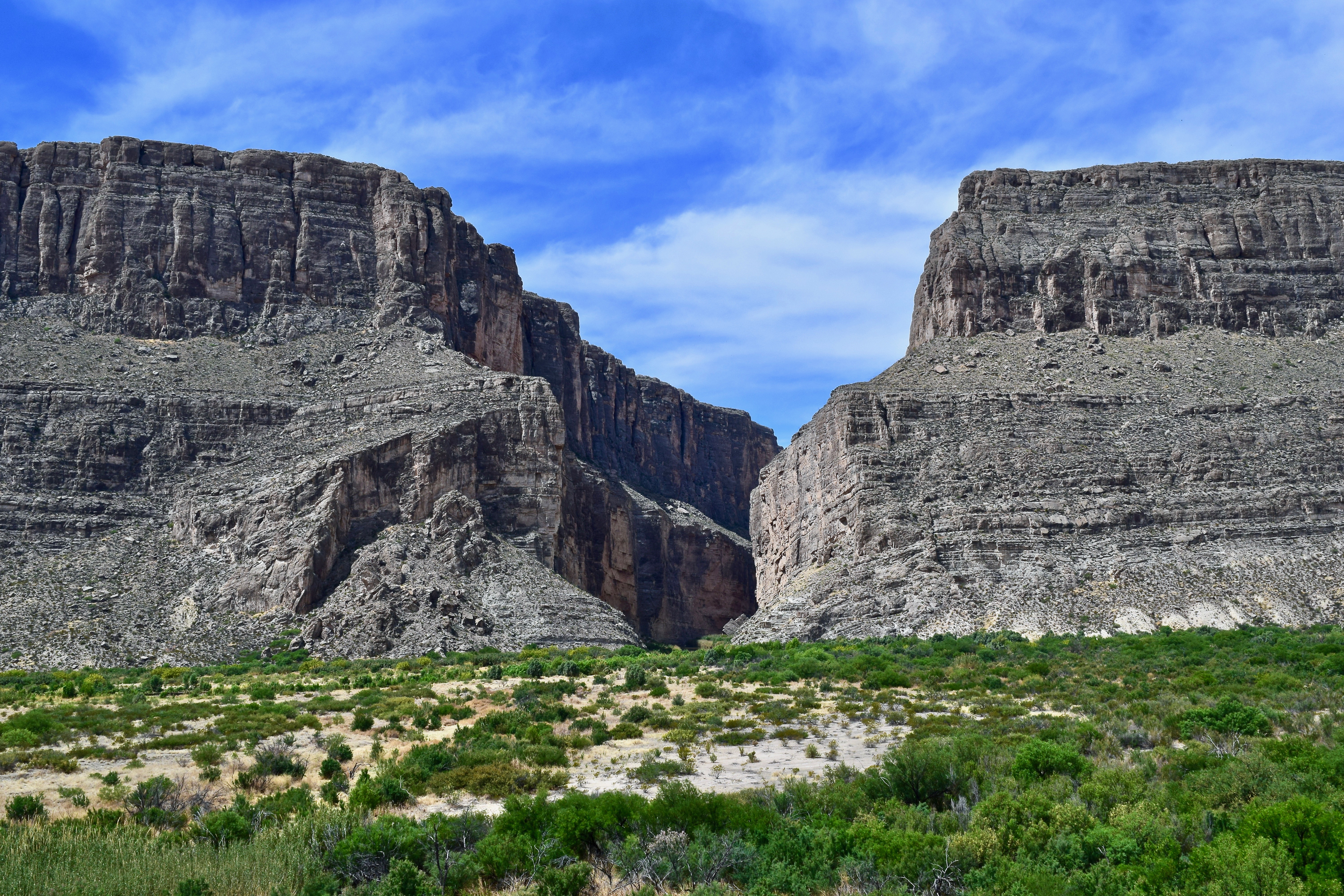
The gap where the Rio Grande exits the Santa Elena Canyon.
I am finally making public some of my photos from our April 2018 Big Bend Trip. Click on the first photo in each group and you can scroll through the photos in the light box. Unfortunately, I did not upload them all at once, so you will have to view them in groups: BOQUILLAS, THE WINDOW TRAIL, SANTA ELANA CANYON, CASA GRANDE.
I hope there is no wall built along the Rio Grande River. That is not a political statement, but an ecological statement. The land is awesome. The ecosystems both magnificent and fragile. The views are breathtaking. I can not imagine a wall on this sacred land. Take a look and enjoy!!
-

- BOQUILLAS: Boquillas Port of Entry is the only official Rio Grande River crossing along the 118 miles of river border in Big Bend National Park.
-

- Going up the Boquillas Canyon Trail with minimal pain two days after the knee injury.
-
- The Spiny Fruited Prickly Pear cactus along the trail is a reminder to pay attention and stay on the trail.
-
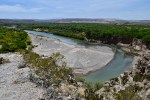
- The Rio Grande winds its way to Boquillas Canyon.
-

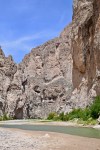
- Hickers dwarfed by the massive wall of the Sierra del Carmen on the Texas side of the river.
-
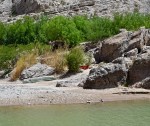
- Boats on the Mexico side of the river. It is reported that at times Mexican musicians use the boats to float up and down the river playing for the hikers. Sometimes they will toss sealed mason jars in the water hoping to retrieve them later filled with money from the hikers.
-
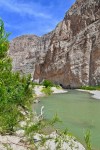
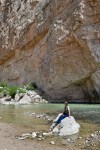
- The limestone and shale canyon wall near the near the entry of Boquillas Canyon–the longest and deepest canyon in Big Bend.
-
- Hiker heading back up the Boquillas Canyon Trail as others start the descent.
-

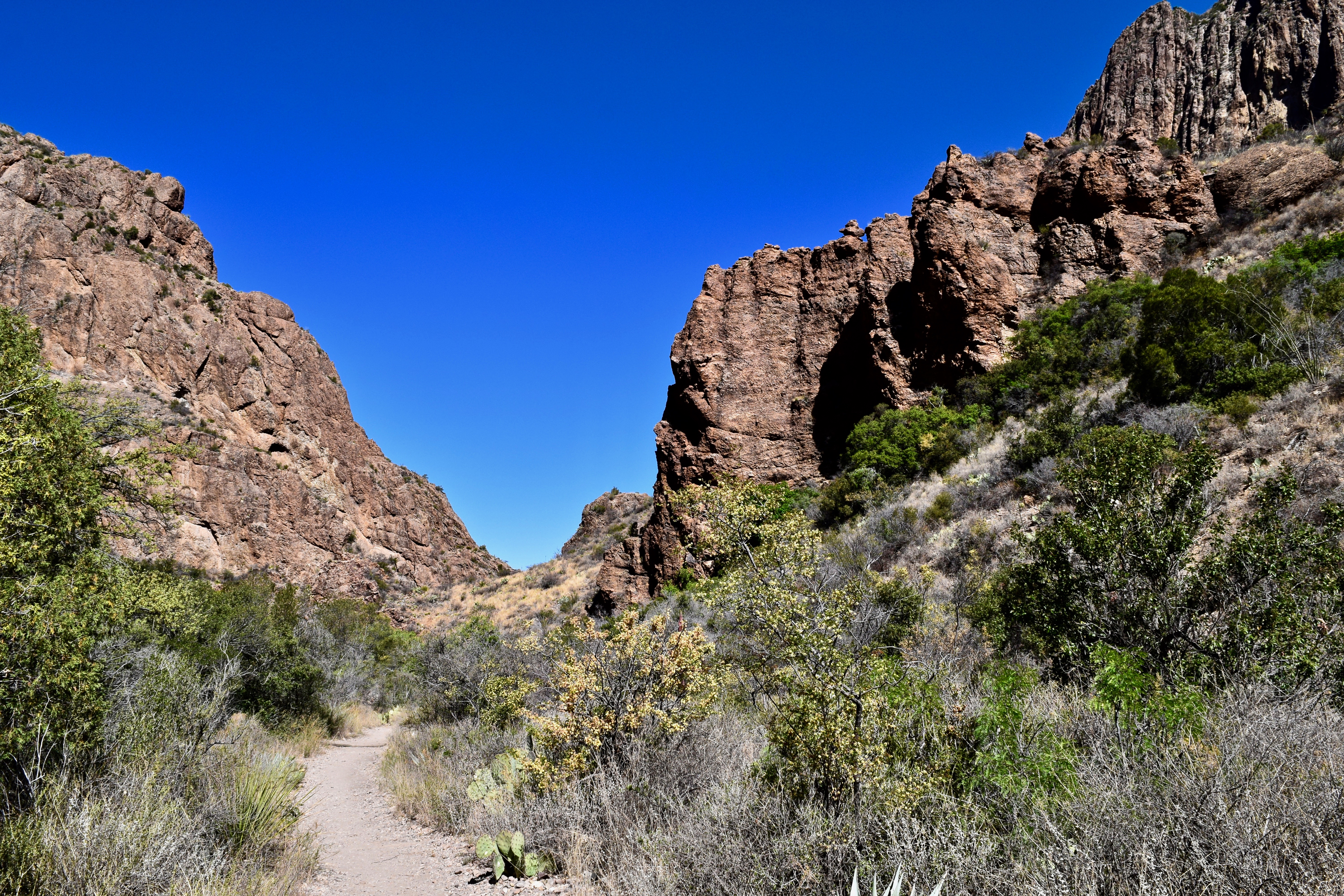
- THE WINDOW TRAIL: The Window Trail just before it descends again and becomes very rocky.
-

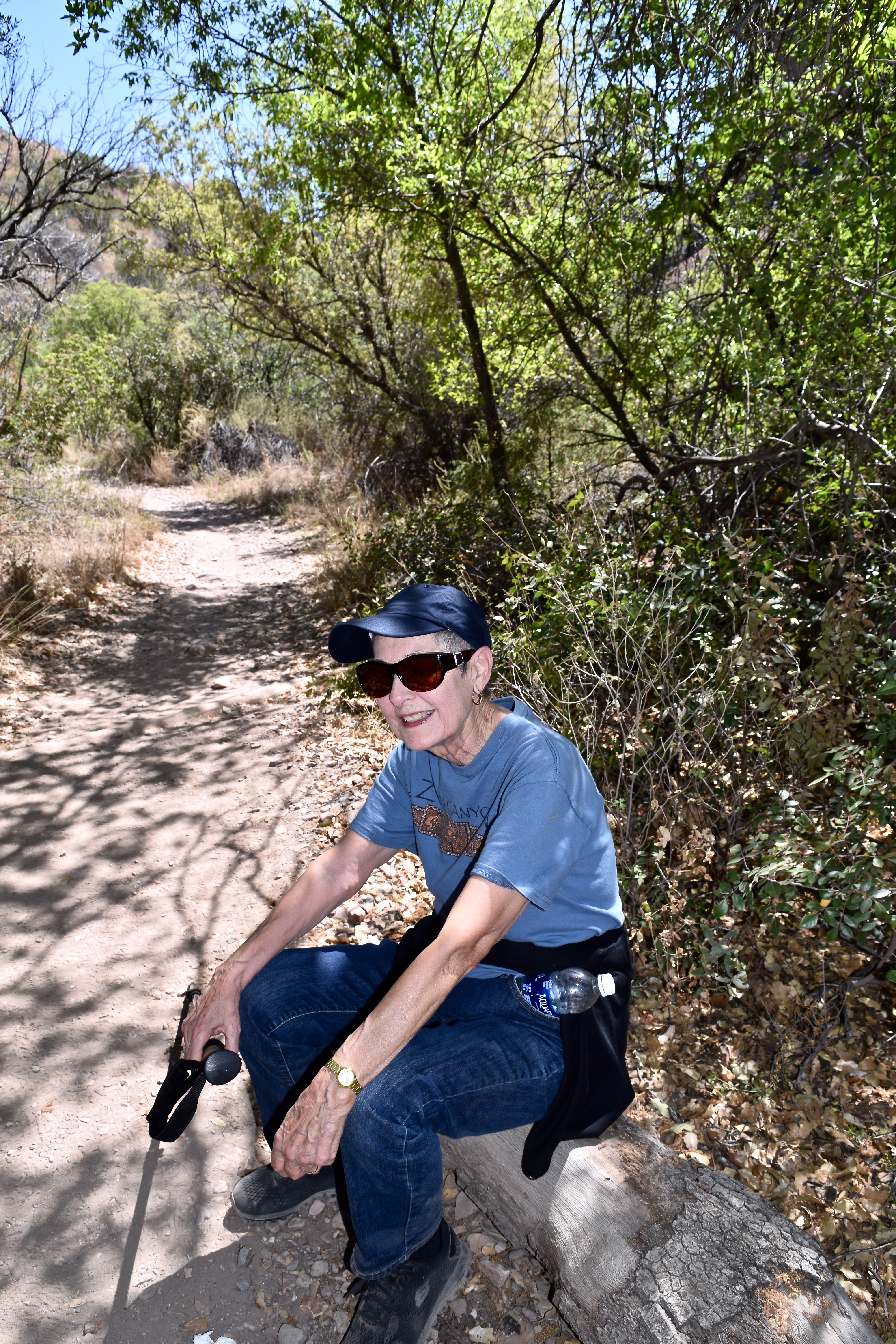
- One of many rest stops on the hike out.
-
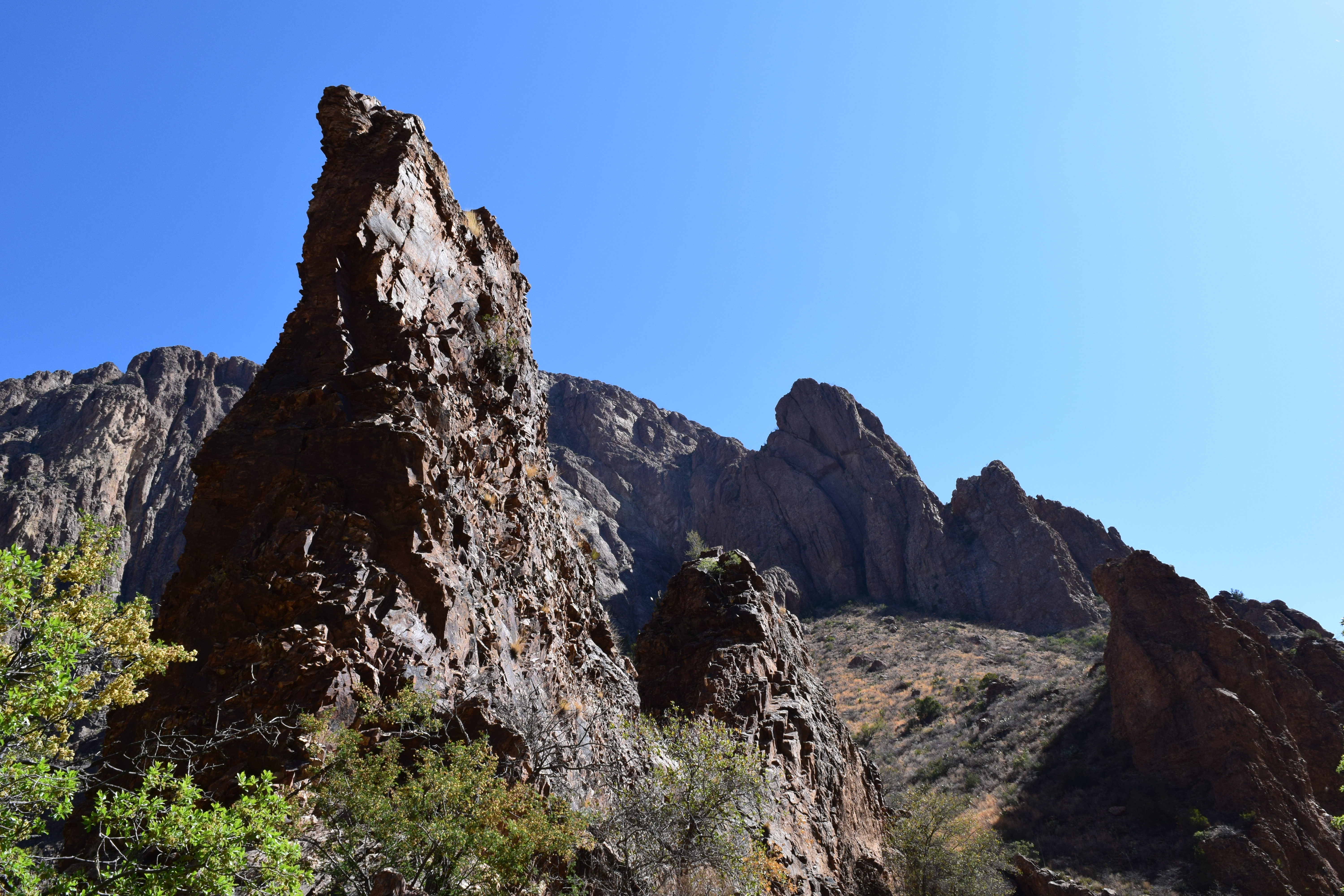
- Rock spires along the trail.
-
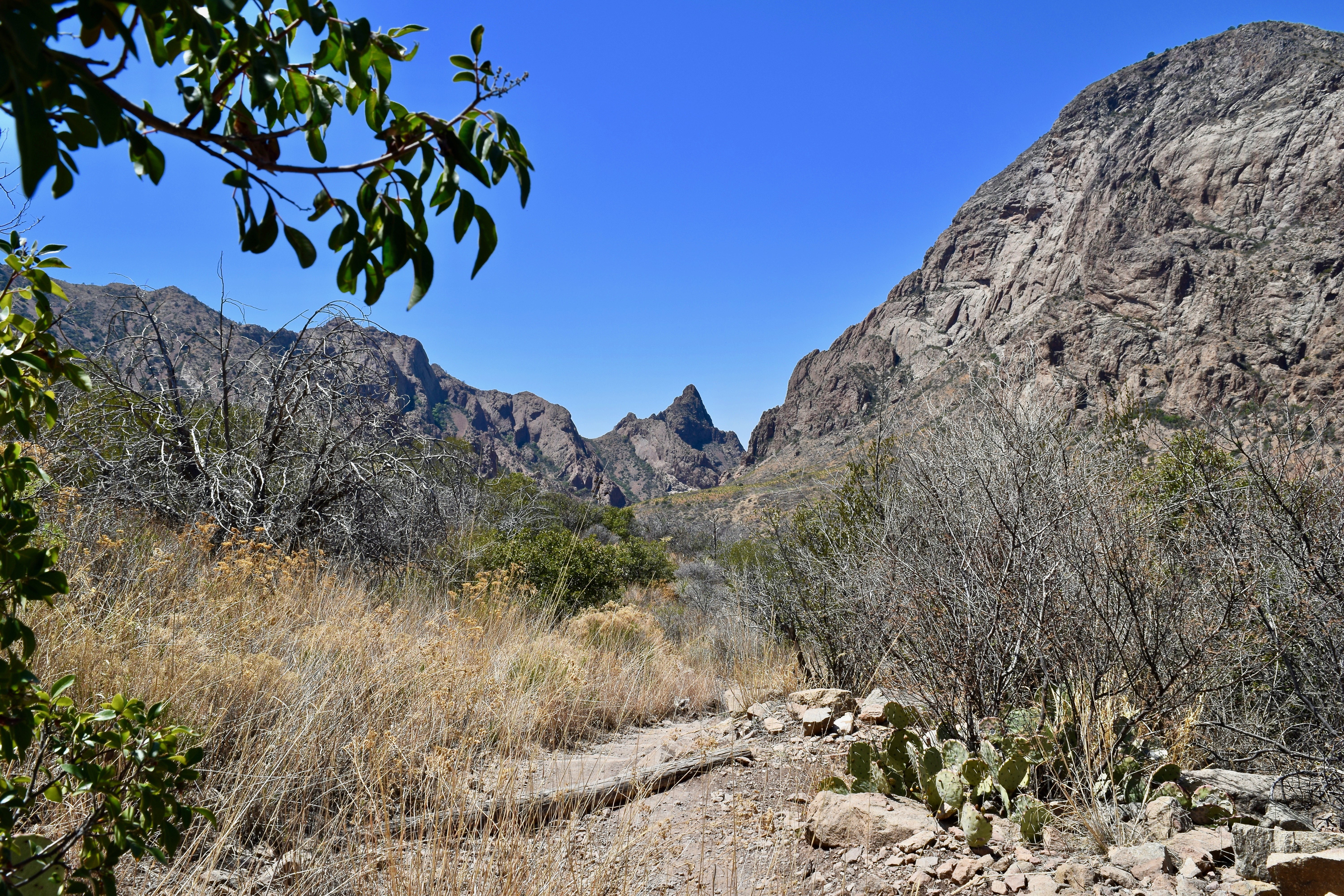
- A flatter portion of the trail-the Window is the crevice to the right of the peak in the distant center.
-
- Dealing with physical limitations.

-
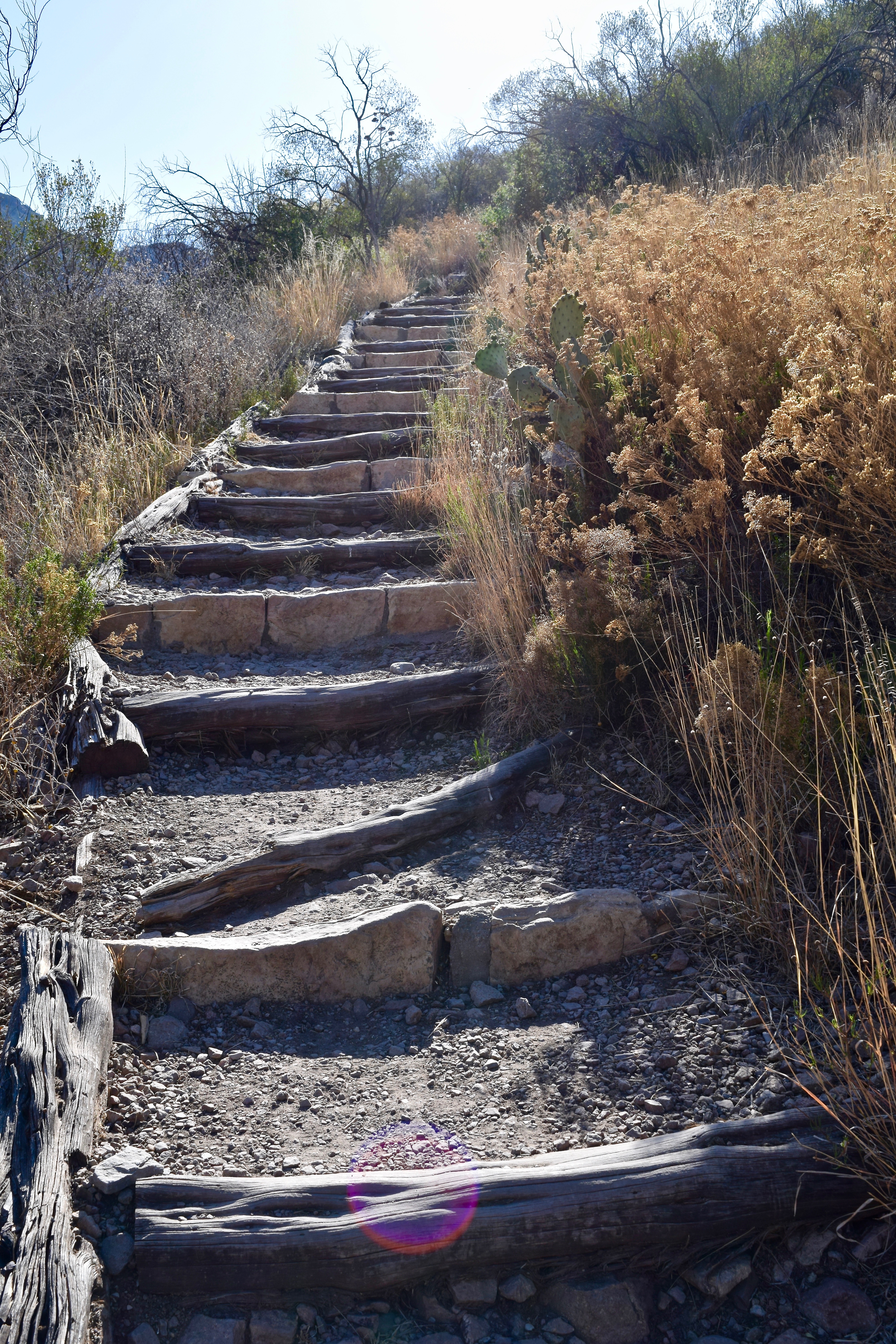
- Limping up and down the steep rock steps.
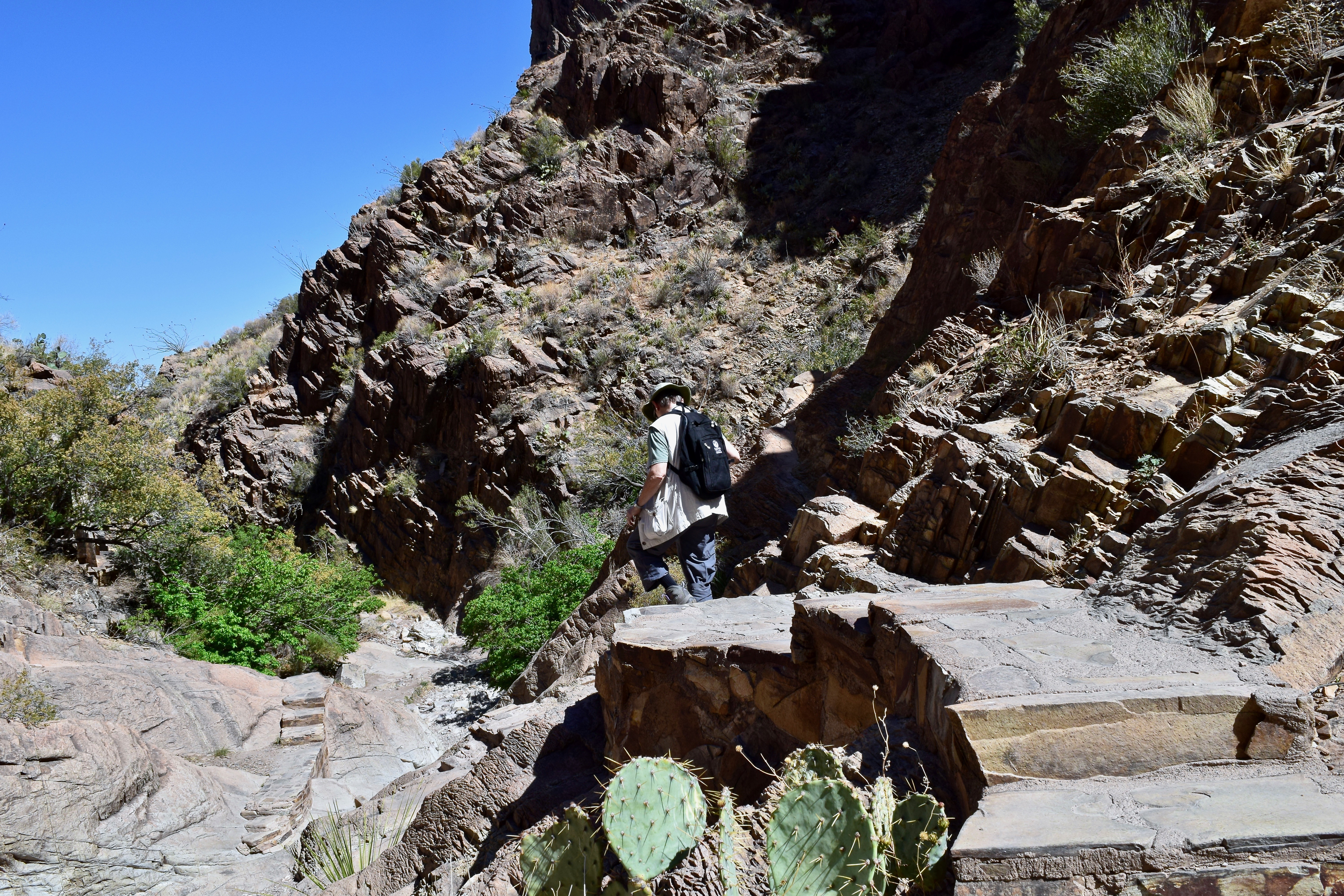
-
- Just a small portion of the climb on the return hike.
-

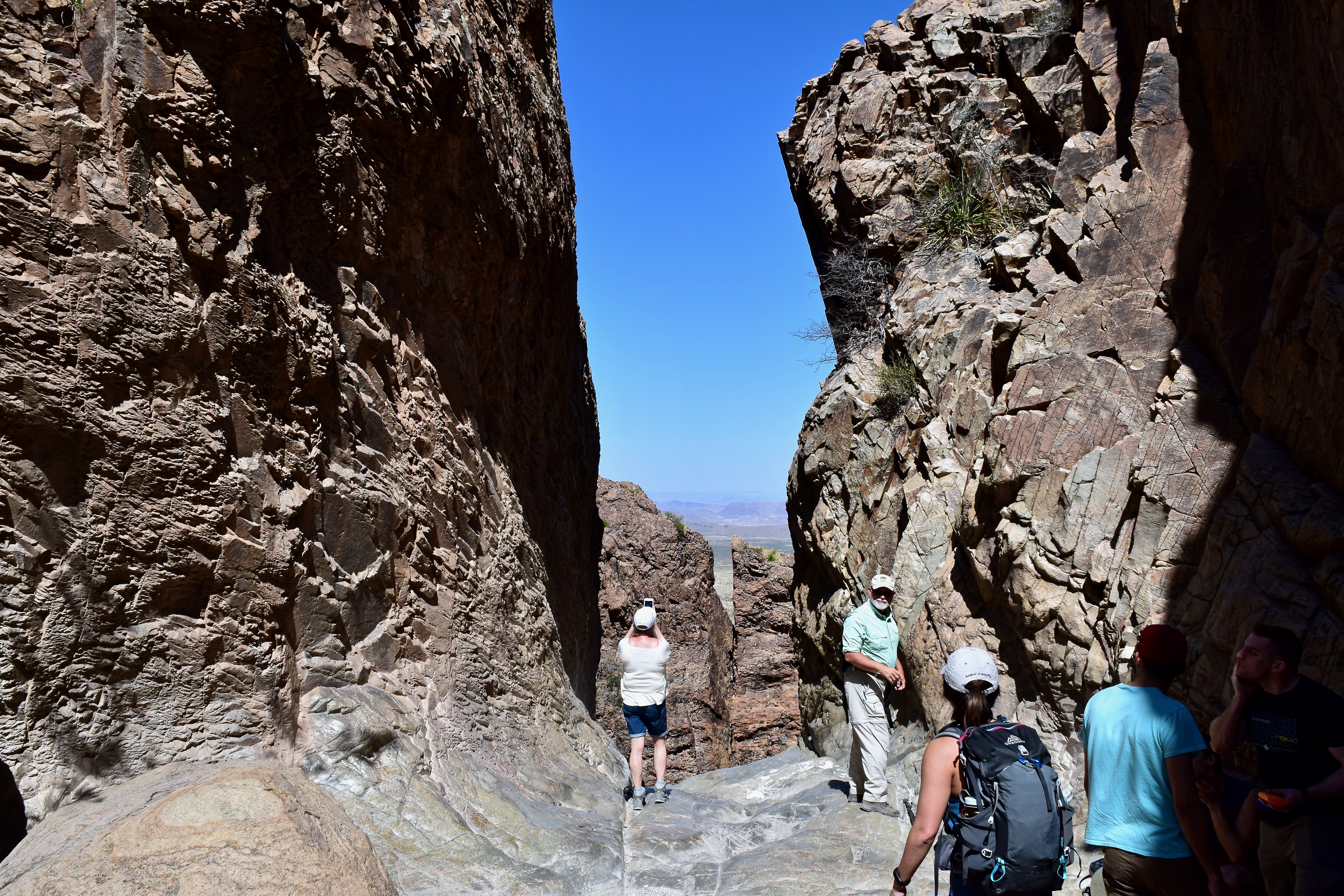
- Hikers enjoying the view and the shade at the Window.
-

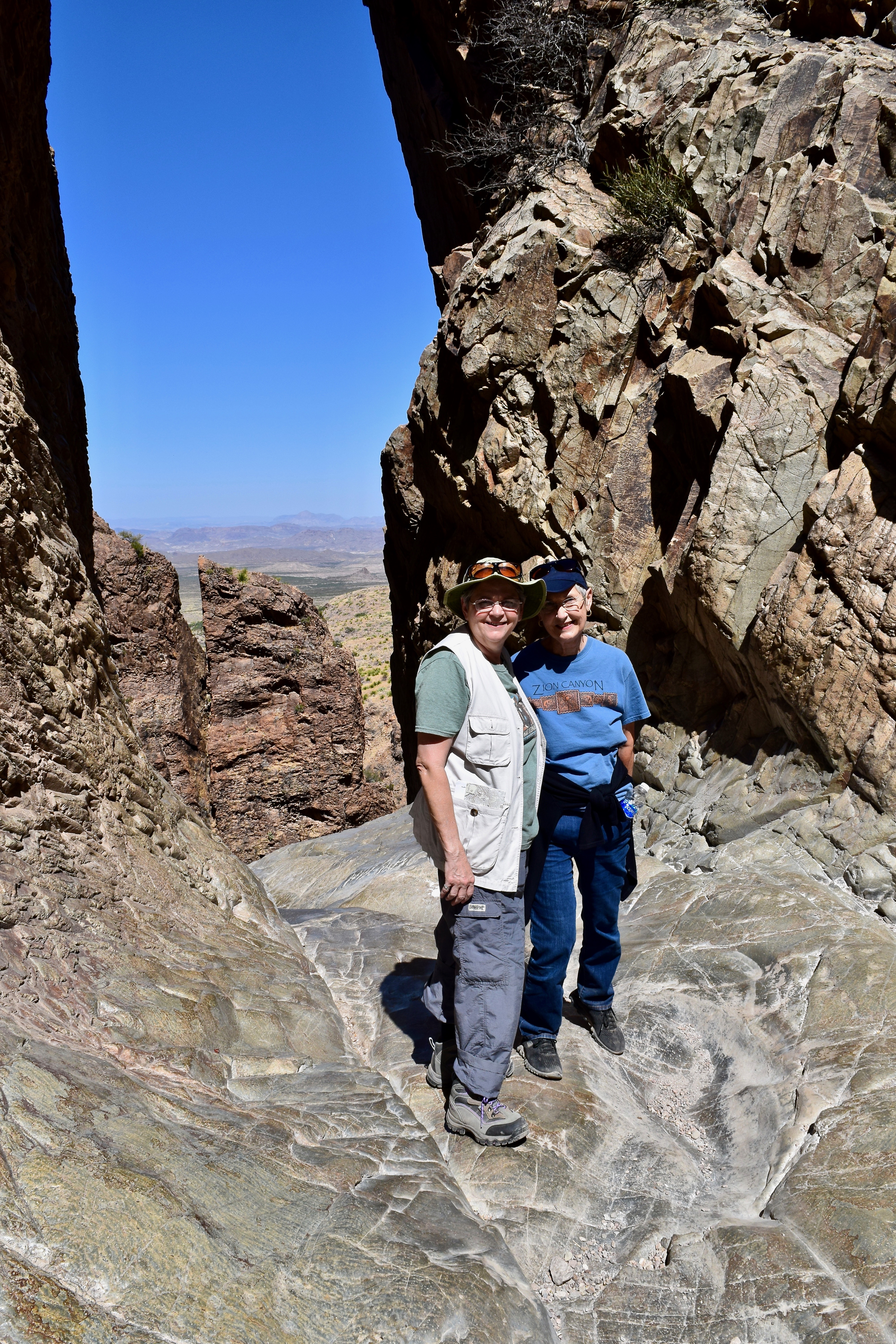
- Brenda and Lou Anne with the desert below through the Window.
-
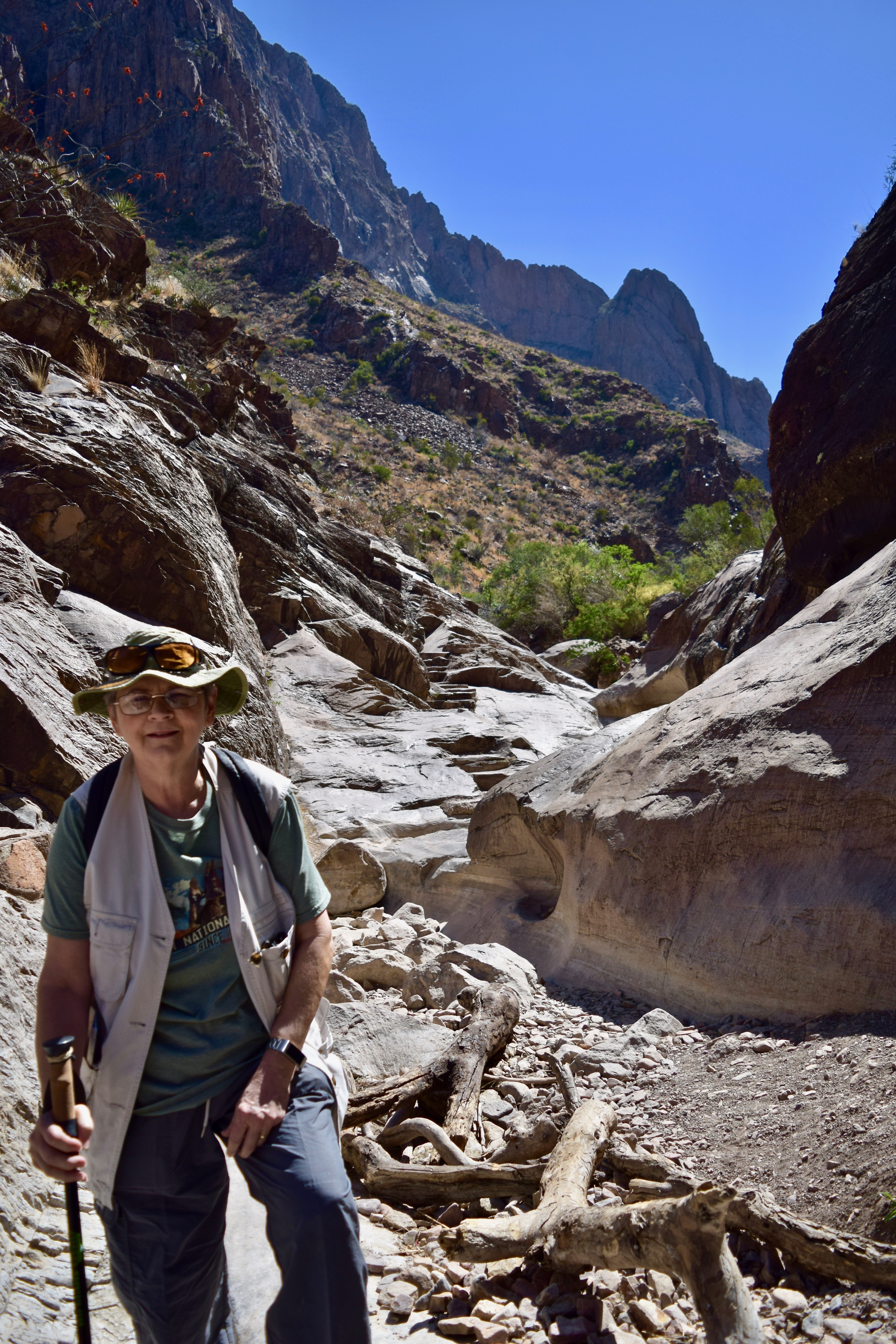
- The lower rocky portion of the Window Trail.
-
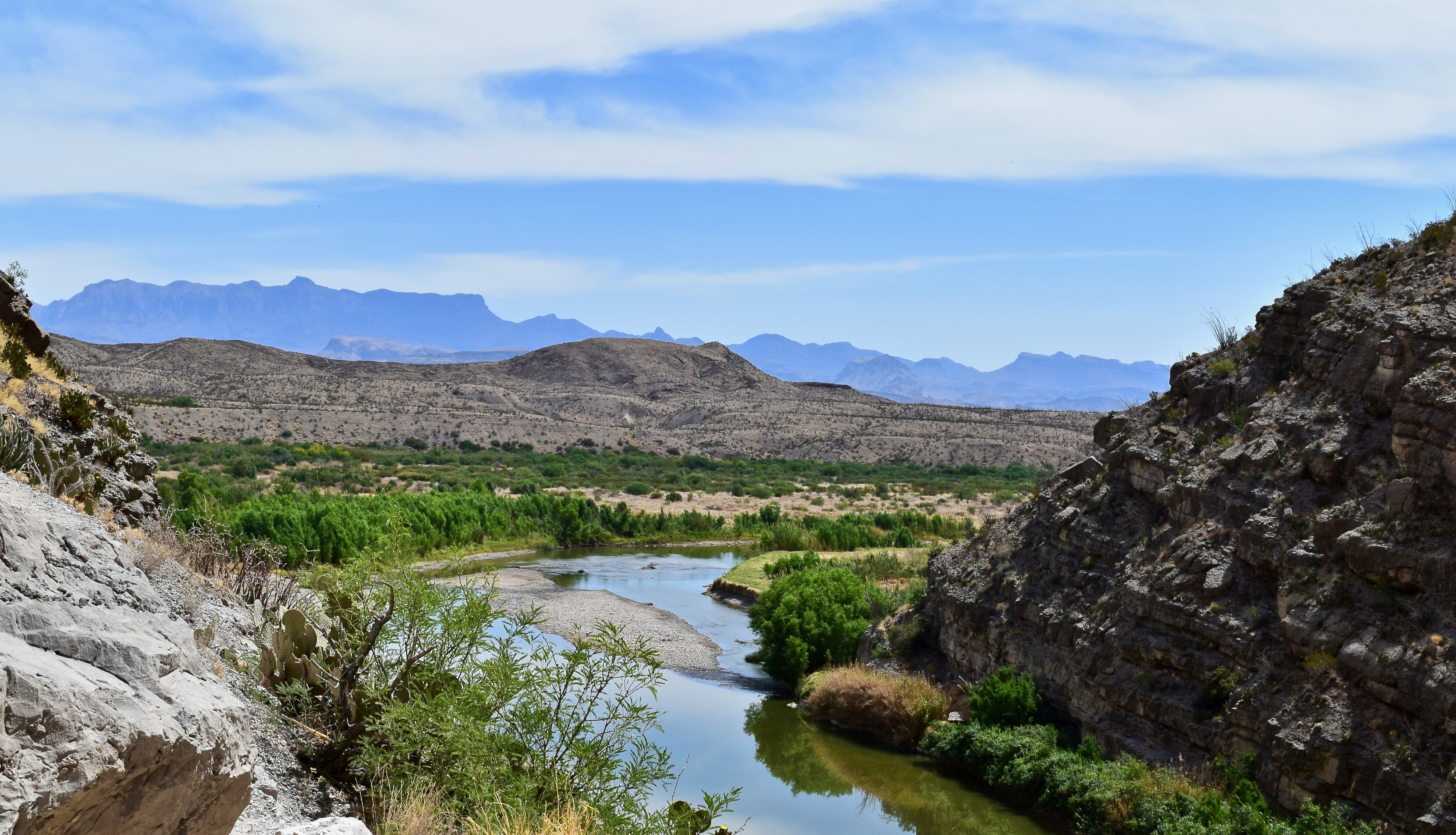
- SANTA ELANA CANYON: The Rio Grande making its abrupt turn into the Santa Elena Canyon.
-
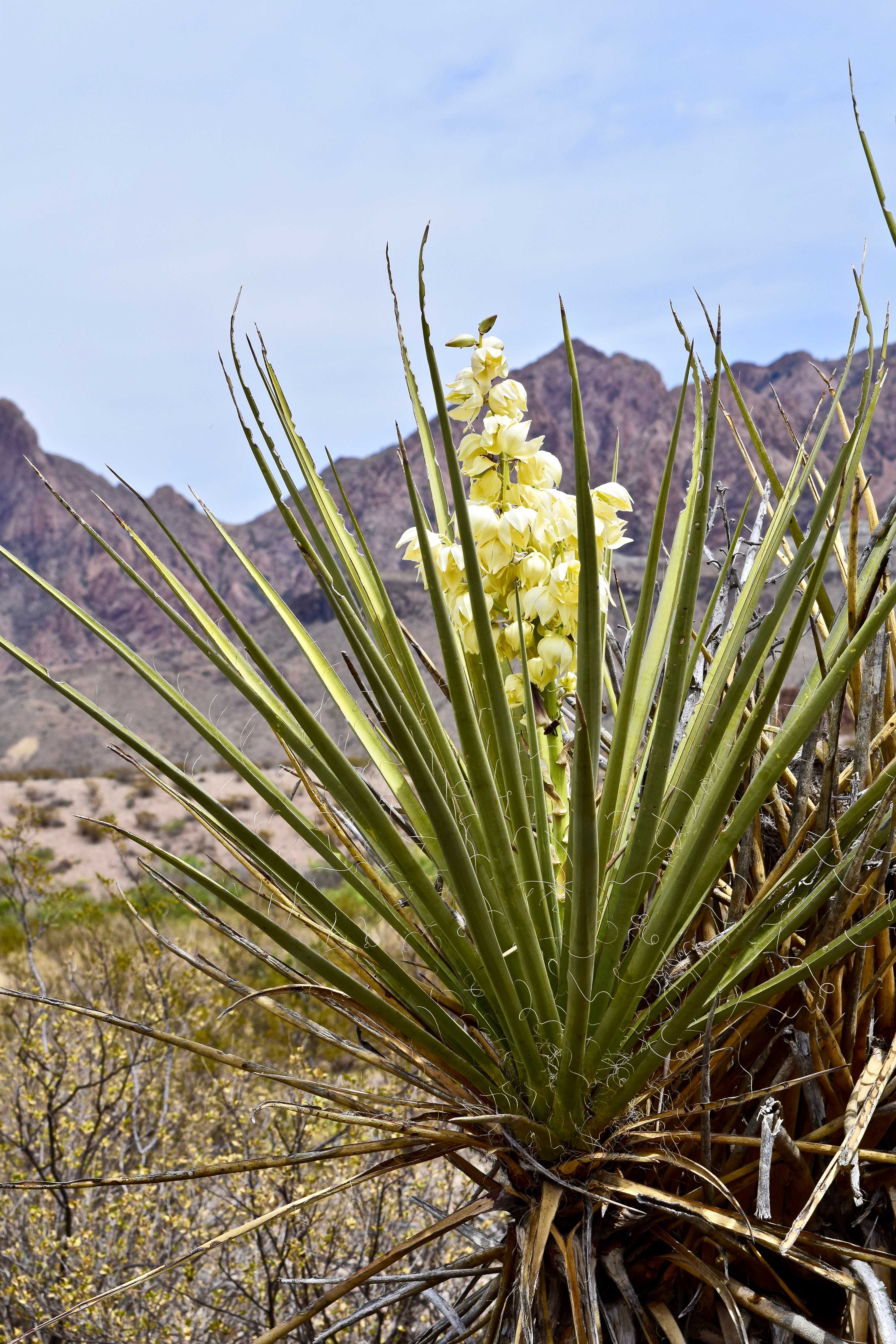
- Torrey Yucca with the Chisos in the background.
-

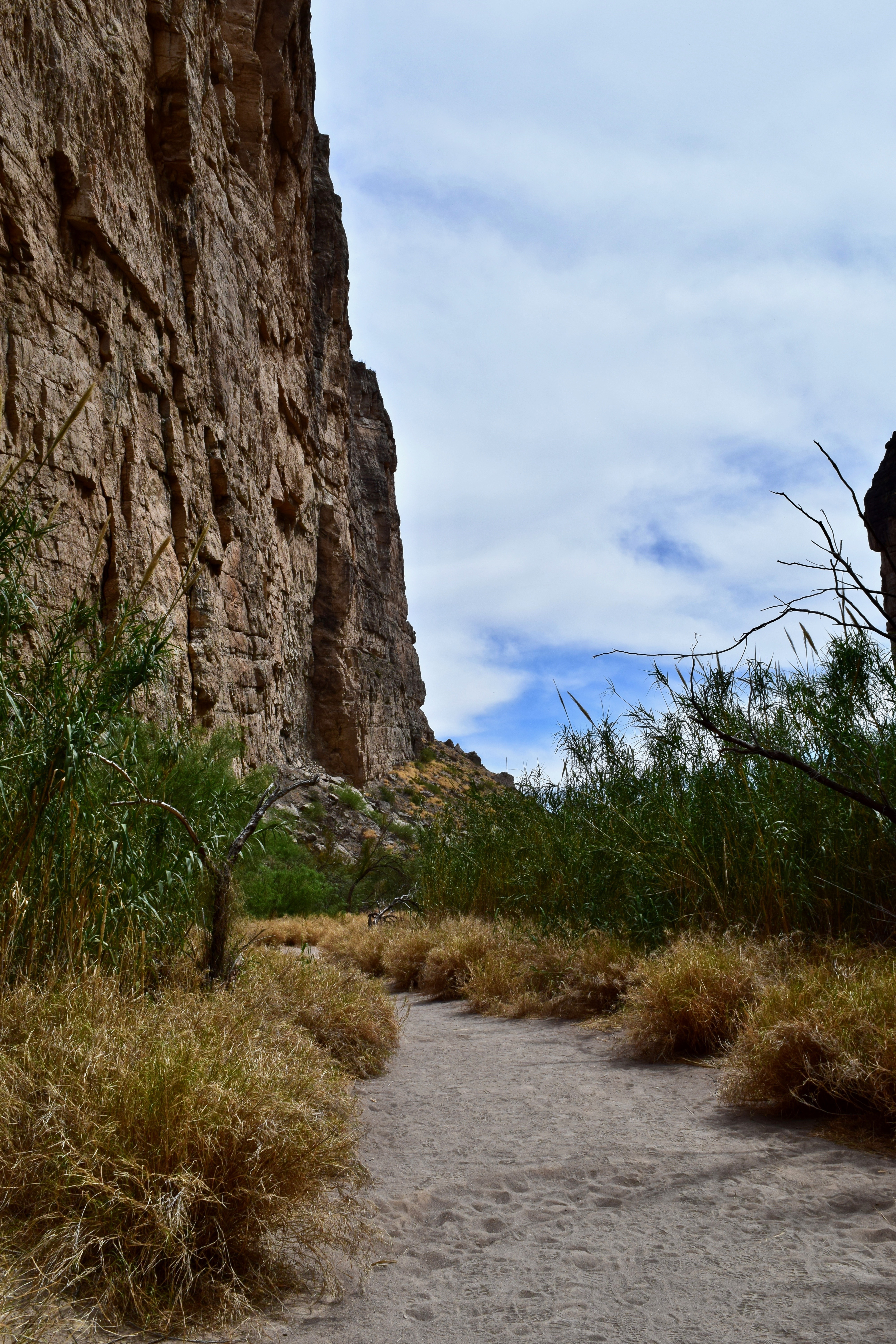
- The lower Santa Elena Canyon Trail plants, mountains, and sky offer an impressive array of colors and textures.
-
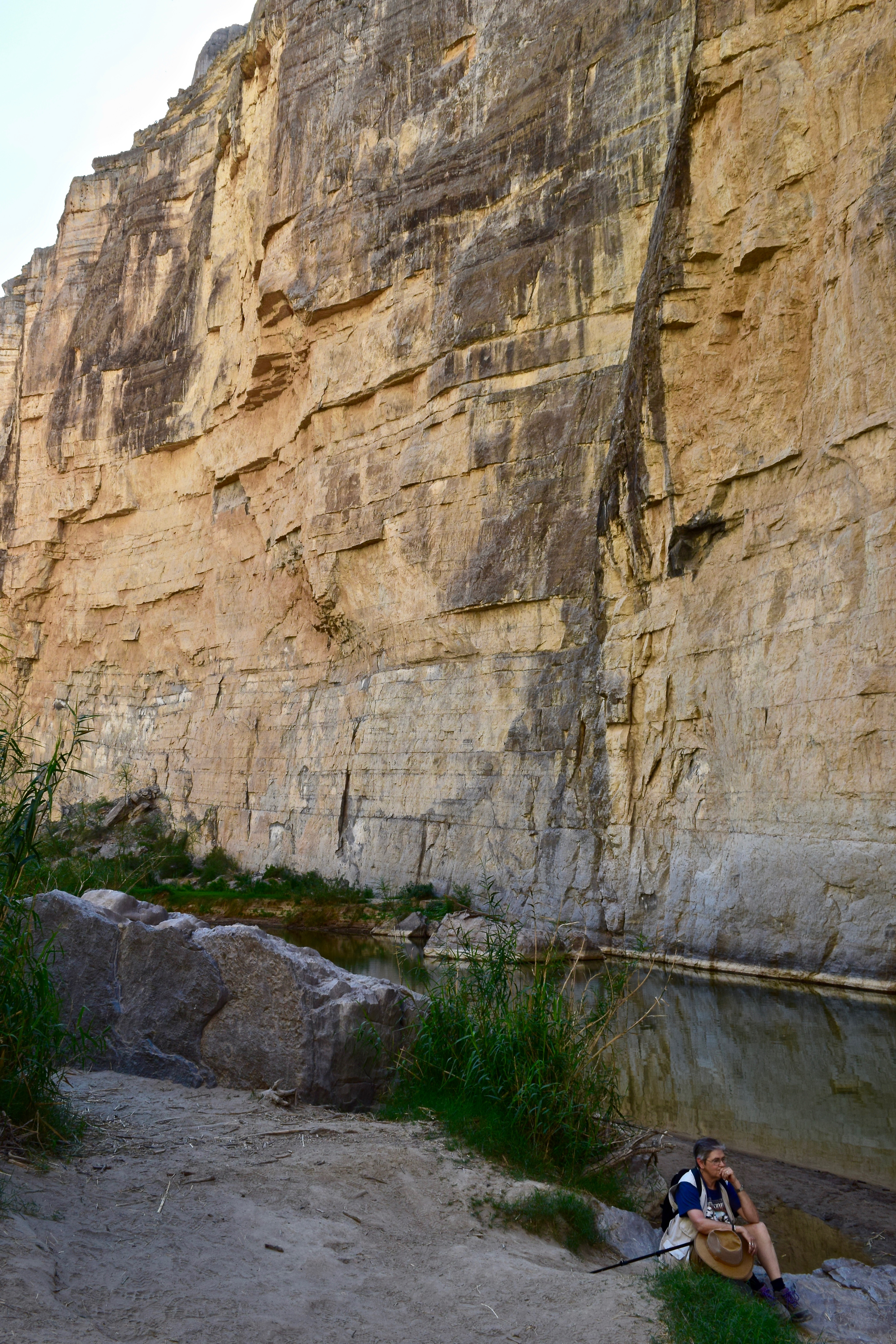
- Solititude at the end of the Santa Elena Canyon Trail.
-
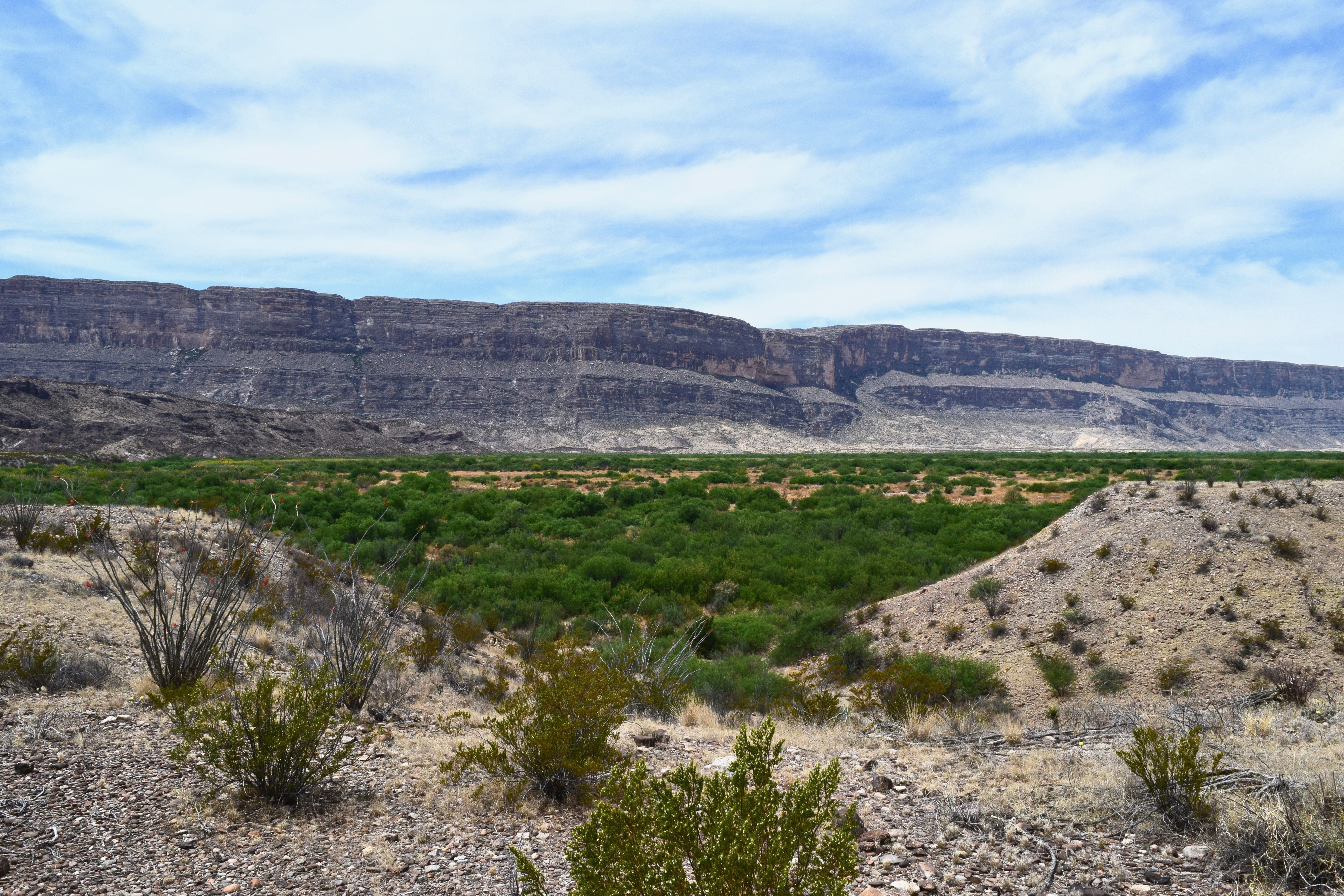
- The gap where the Rio Grande exits the Santa Elena Canyon.
-

- A view of the diverse ecology found in Big Bend National Park–the desert, fertile river valley, and mountains.
-
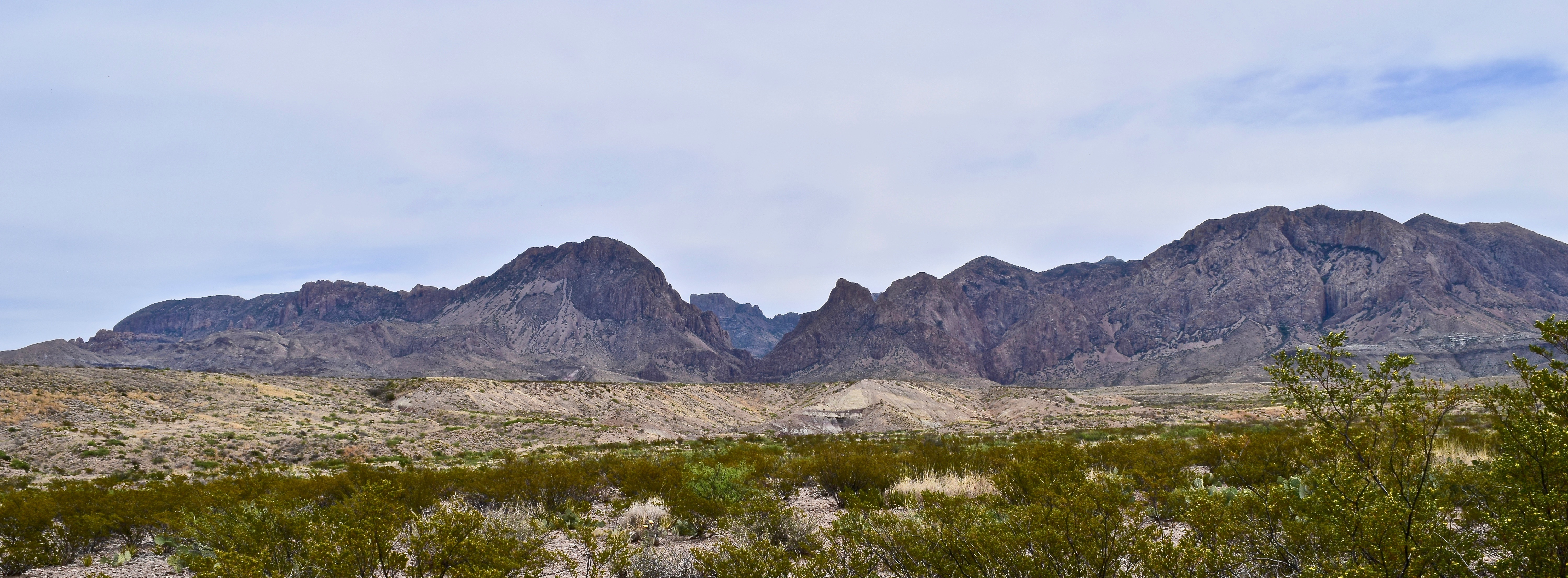
- The Chisos range from Ross Maxwell Scenic Drive.
-
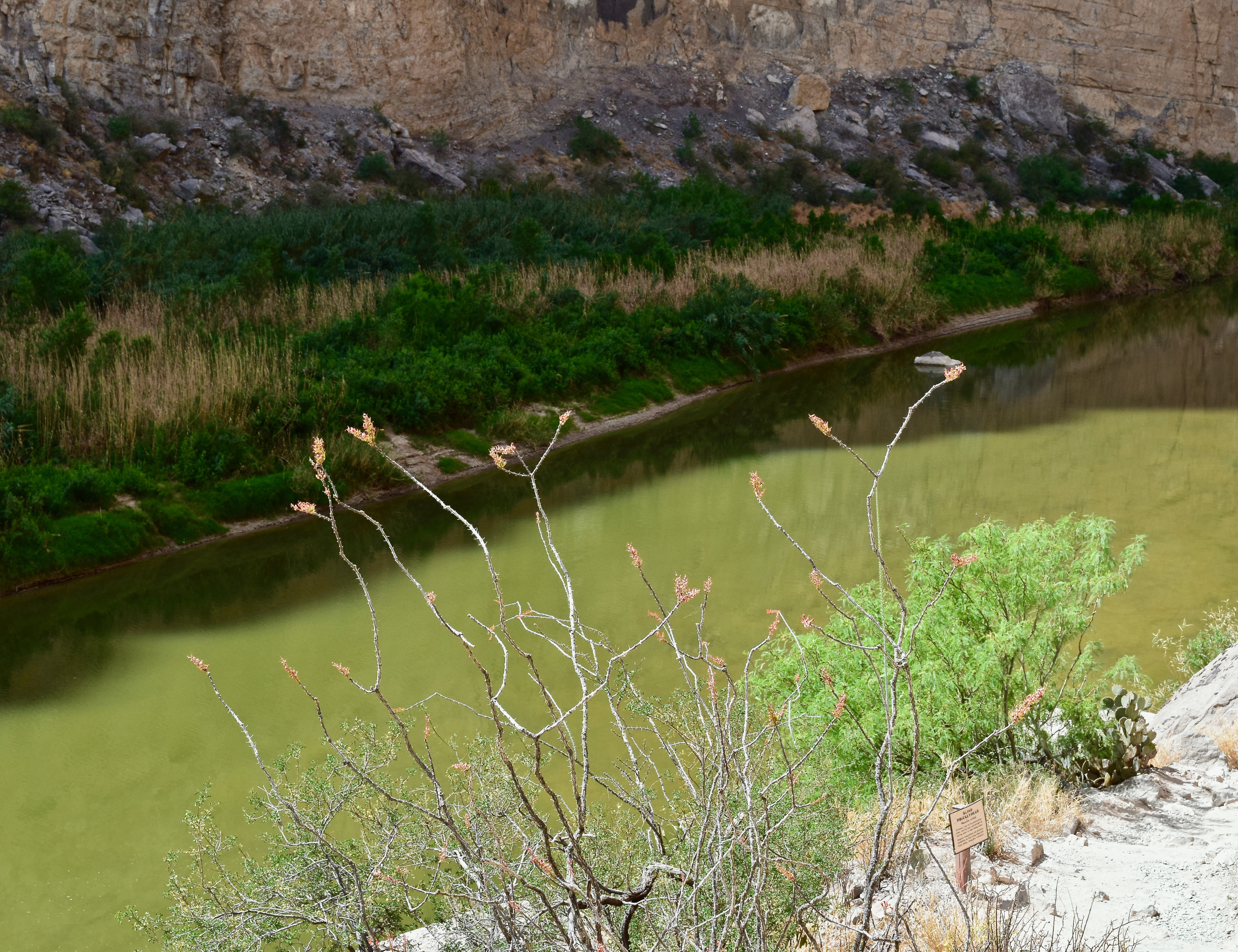
- The Rio Grande from the rocky cliffs of the Texas Mesa del Auguila.
-
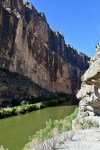
- A view of the Mexican Sierra Ponce as the river enters the Santa Elena Canyon.

-
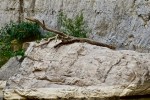
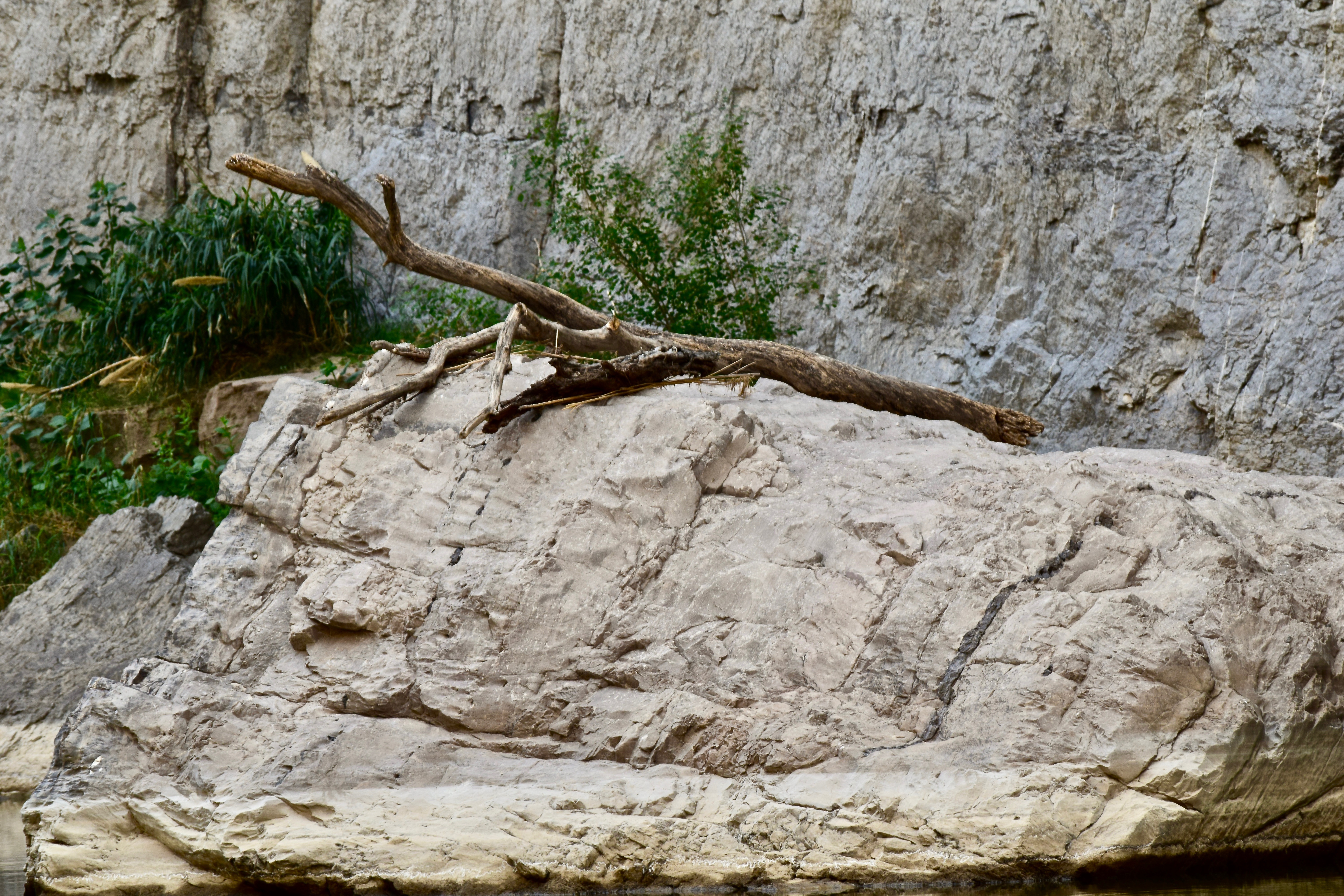
- A stranded log on the banks of the Rio Grande as evidence of periods of higher water.
-
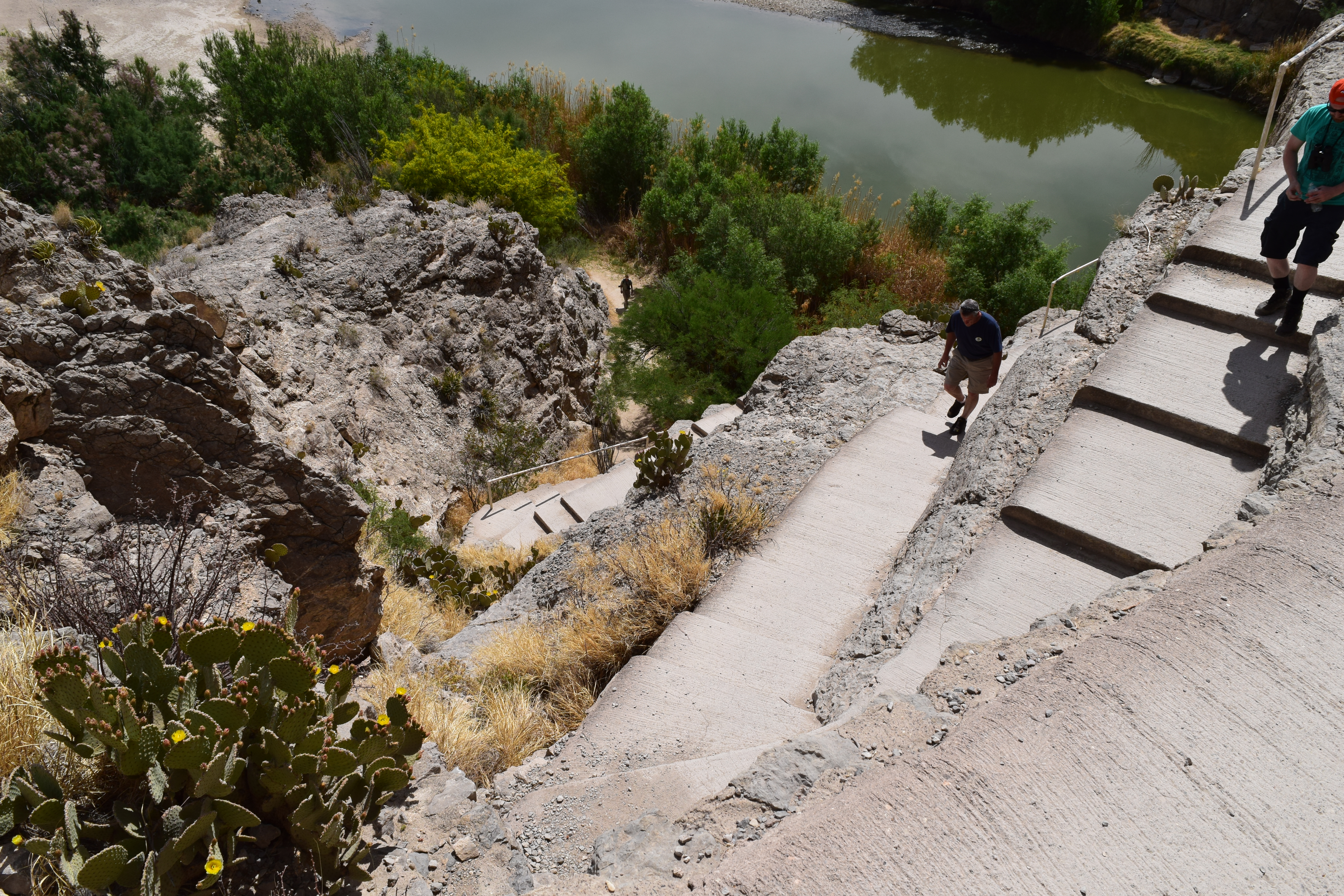
- Hikers entering and exiting the Santa Elena Canyon Trail. Luckily the ascent is at the beginning.
-
- The Mule Ears formation and the abundant ocotillo plant on the Ross Maxwell Scenic Drive.
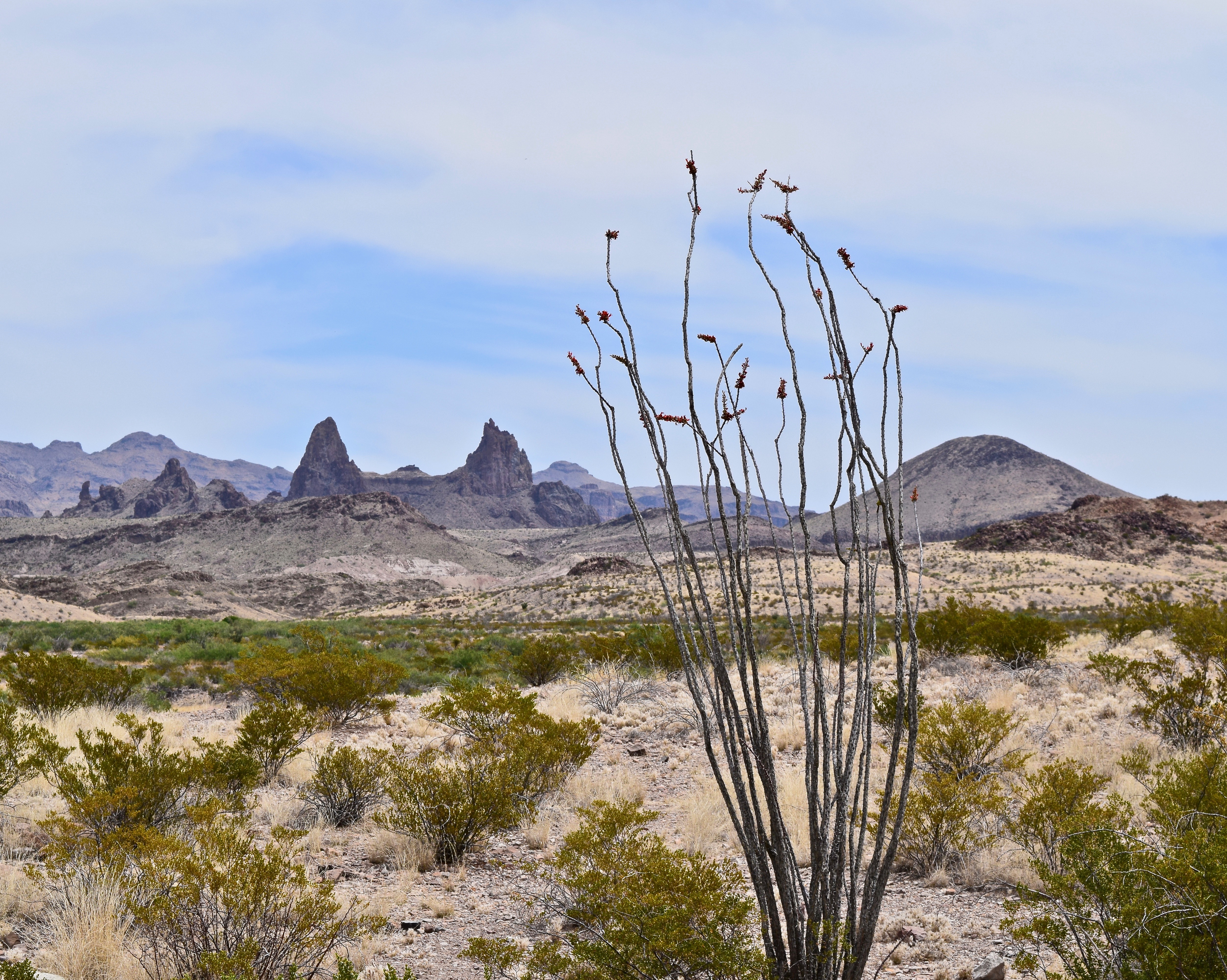
-

- The Rio Grande beneath the towering vertical walls of the Santa Elena Canyon
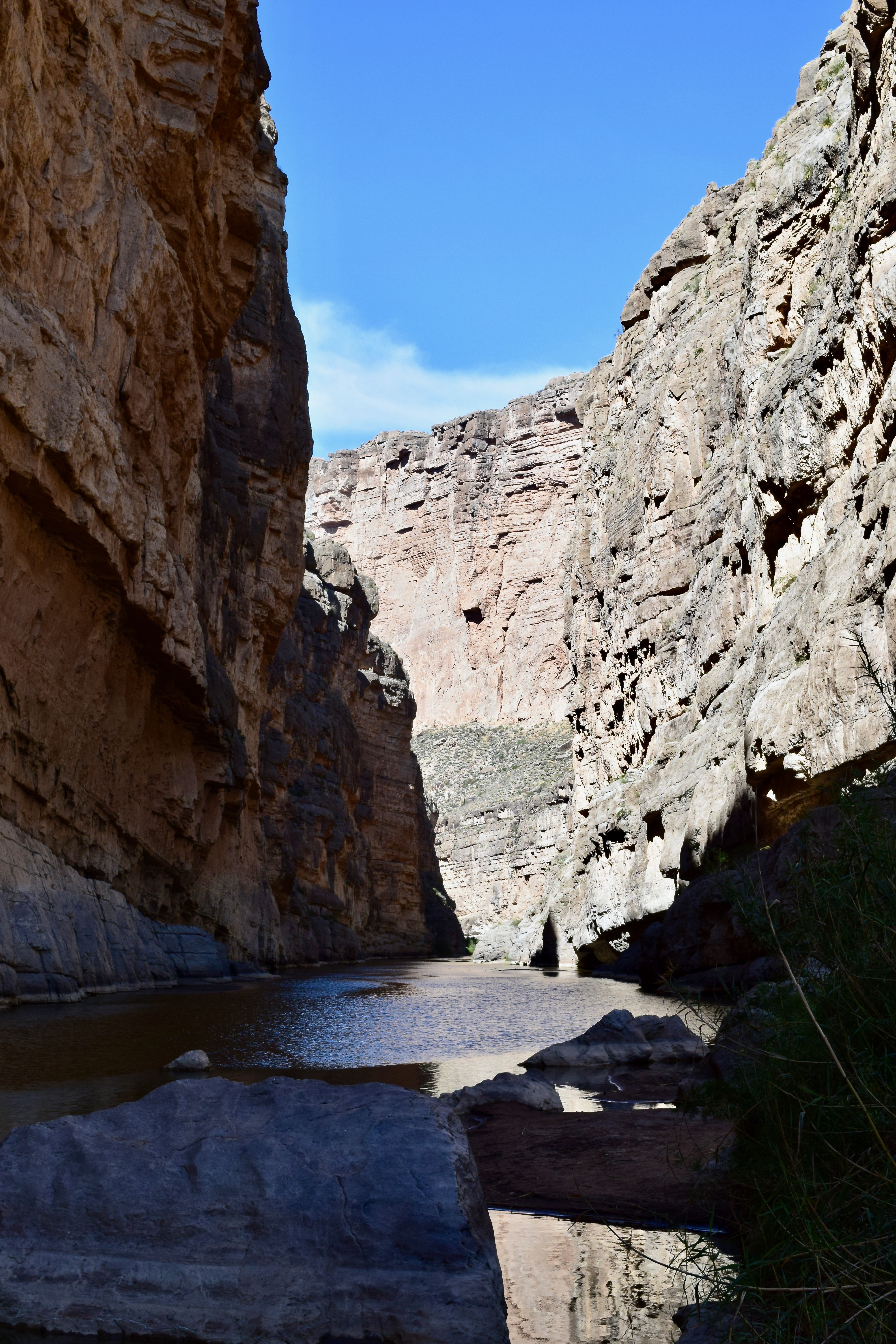
-

- Hard stalwart canyon walls provide the backdrop for the willowy, flowing reed plants.
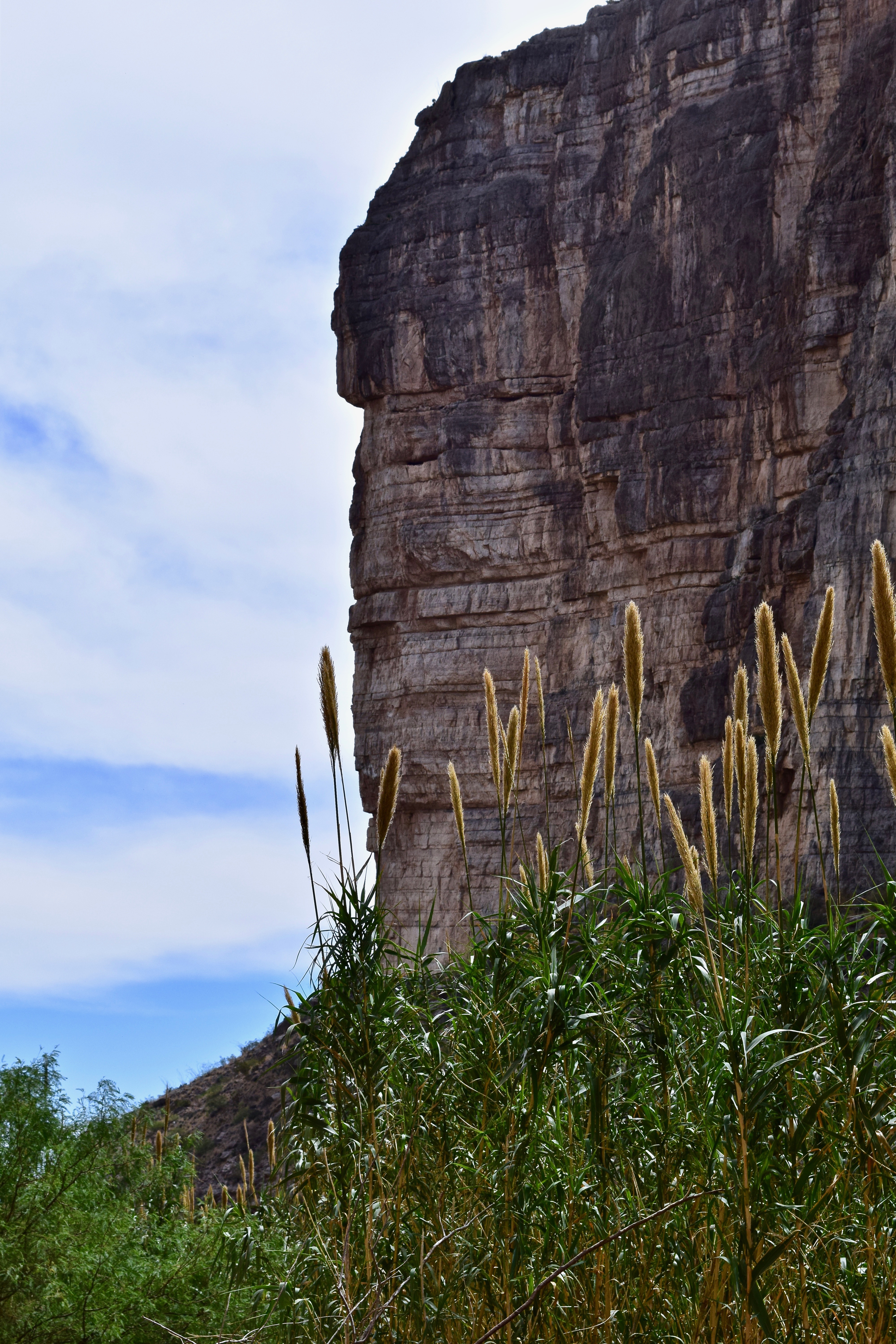
-

- Remnants of light volcanic ash and black basalt in the Tuff Canyon area.
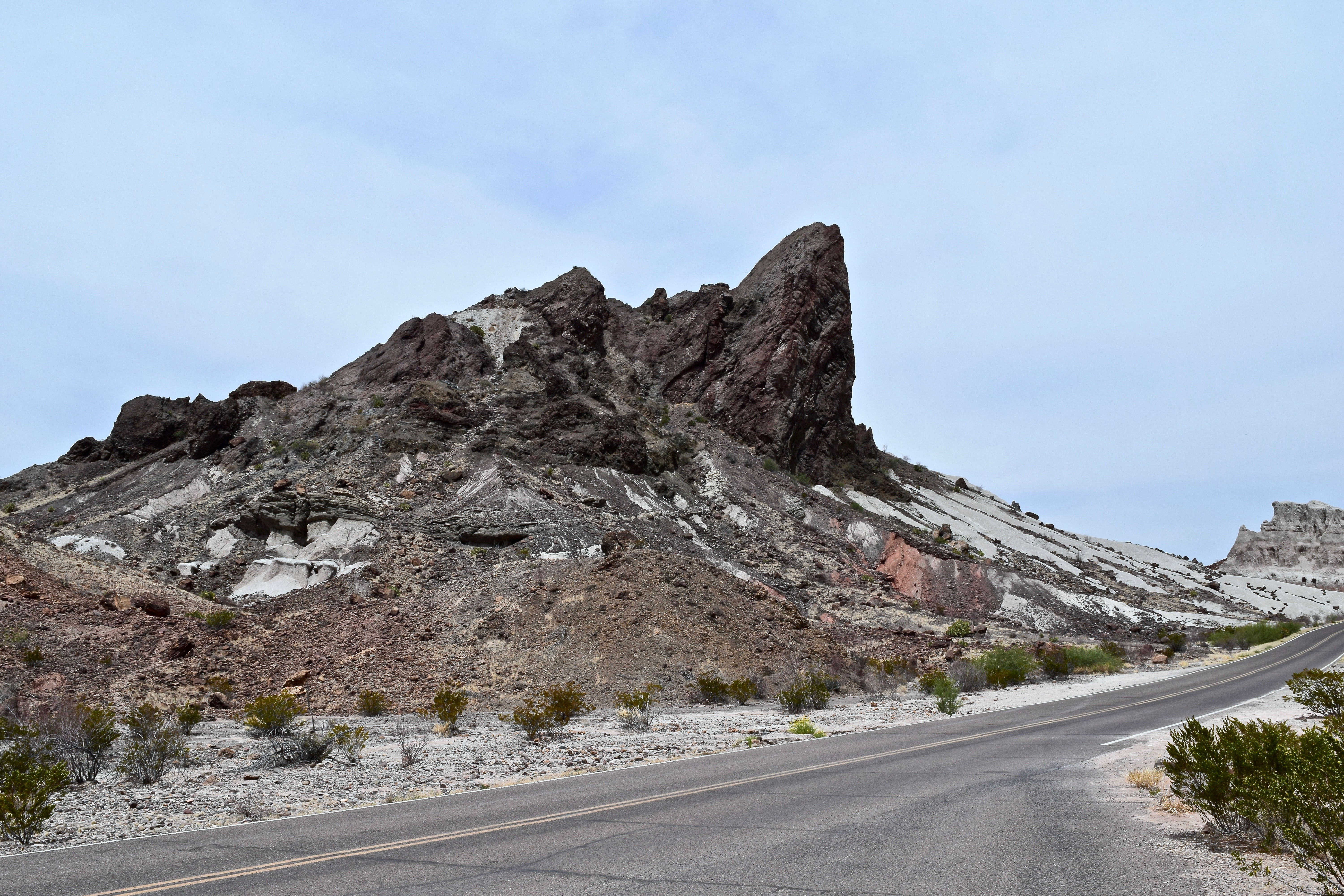
-

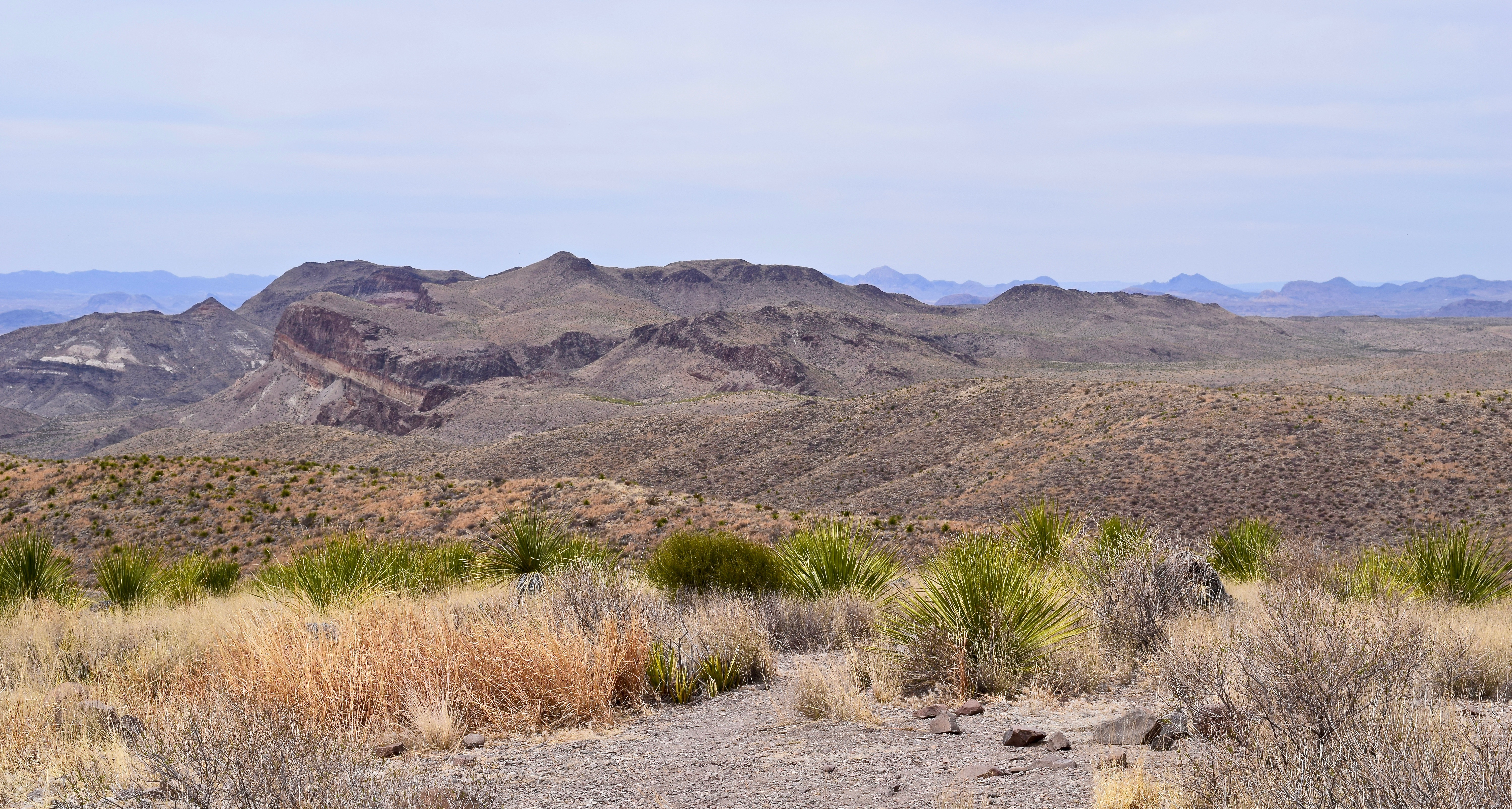
- The view and some of the many sotol plants at Sotol Vista.
-
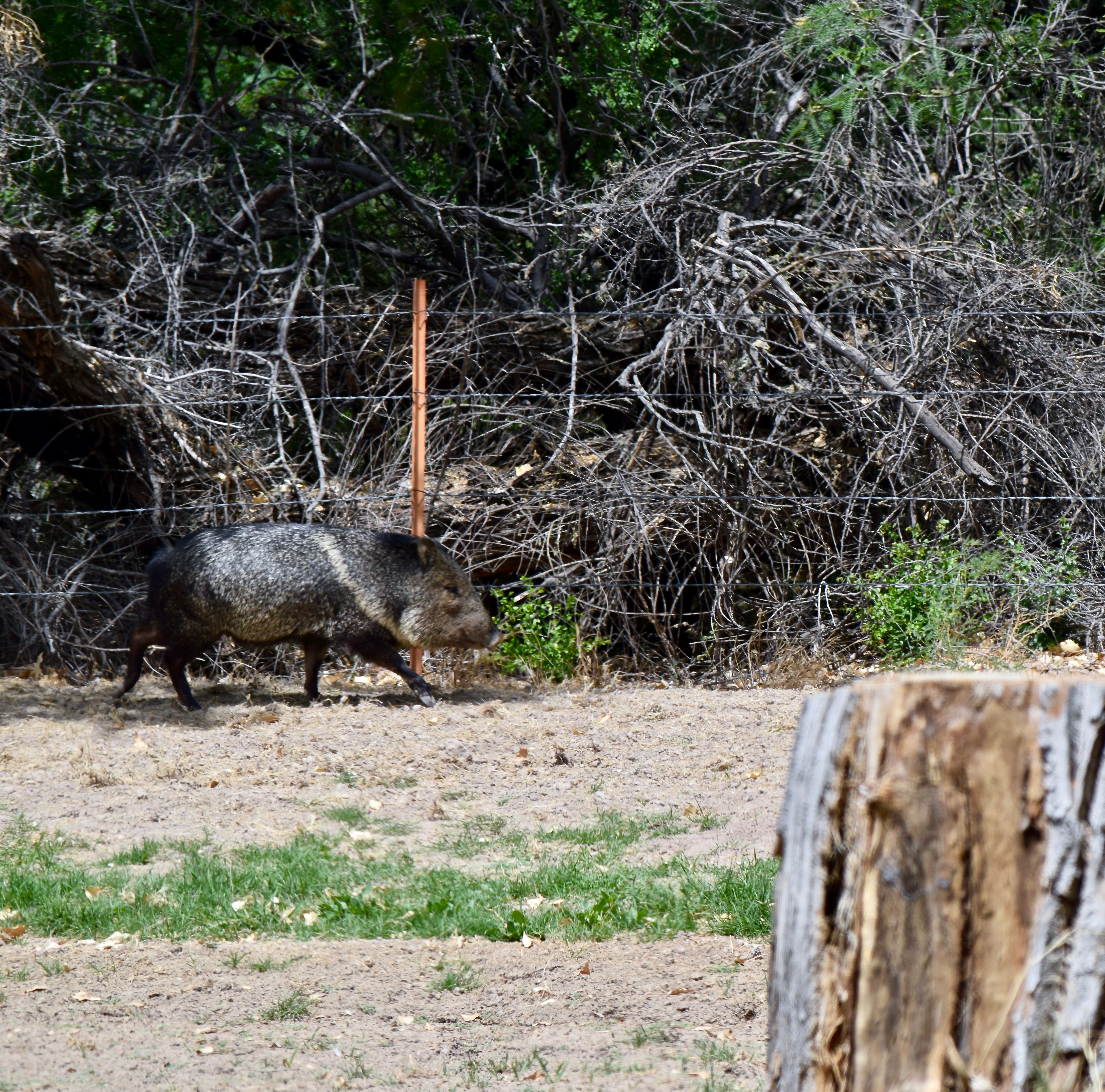
- Not a pig, but a javelina at Cottonwood Campground near Castolon.
-
- Casa Grande rises to 7,325 feet with bare rock towering cliffs hovering 2000 feet above the ranger station at Chisos Basin.
-
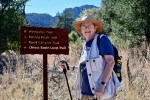
- Brenda ready to tackle the 1.9 mile Basin Loop. After the fall and knee injury all the other mountain trails are off limits.
-
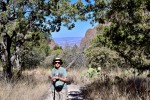
- Lou Anne on the Chisos Basin Loop Trail with the Window in the background.
-

- An Alligator Juniper along the Basin Loop Trail.
-
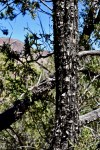
- The rectangular scaly bark of the Alligator Juniper is a marvel.
-
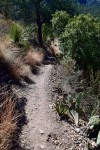
- The Basin Trail is narrow at times but the Pinon Pine, various oaks, and juniper trees offer a good bit of shade in the upper portion.
-

- Looking south across the basin and the rim toward Emory Peak.
-

- Ran across this fellow, a Southwestern Fence Lizard, I think.
-

- Lou Anne nearing the end of the Loop Trail with a view of The Window.
-
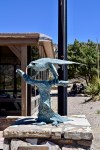
- The Peregrine Falcon statue outside the Chisos Basin Visitor Center. Portions of the trails are closed March through May to protect them during their nesting season.
-
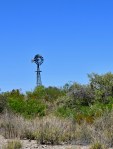
- Dugout Wells is an oasis of green, colorful flowers, and many birds in the midst of the Chihuahuan Desert.
-
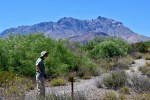
- DUGOUT WELLS Desert Nature Trail with Nugent Mountain in the background.
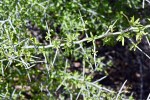

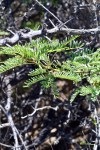
-
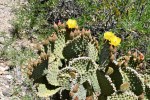
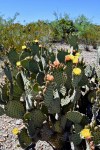
- Imagine what this Blind Prickly Pear will look like when all the blooms are open!
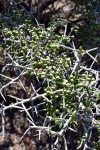
-

- A Strawberry Pitaya bloom.
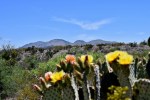
-
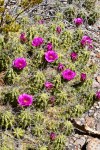
- The Strawberry Pitaya plant in bloom.

-

- Sunset on the Sierra del Carmen at Rio Grande Village.

Showers, Miracles, and Faith
 It was a gray day with intermittent light and heavy showers. We needed the rain and I found myself humming, perhaps about the rain, perhaps about the call.
There shall be showers of blessings
This is the promise of Love.
There shall be seasons refreshing
Sent from the Savior above.Showers of blessings.
Showers of blessings we need.
Mercy drops round us are falling,
But for the showers we plead.
I was again waiting for a call. My now eleven-year old great niece was diagnosed with Diffuse Intrinsic Pontine Glioma (DIPG), a rare and devastating brain tumor, almost three months ago. She tolerated the six-weeks of focused radiation treatments very well and with occasional medication has been fairly symptom free. The doctors say she is doing better than any child they have ever treated with DIPG. We are thankful!
Last Friday she had an MRI to see if the radiation had had any effects on the tumor and as a prerequisite to possible participation in an immunotherapy clinical trial at Texas Children’s Hospital in Houston. From the initial diagnosis we have been keenly aware of the devastating statistical prognosis for DIPG patients. While there has been no denying the science of the disease, we have steadfastly prayed along with possibly thousands of others in our social media and home communities for God’s grace and healing for our girl. Family, friends, community members, total strangers have reached out with love, concern, compassion, and generosity. From the Make-A-Wish Foundation who sponsored a trip so that our girl could get her wish to “swim with the dolphins” to the local community sponsoring an event to raise funds for medical expenses and contributions to DIPG research there has been an outpouring of support that has confirmed our belief in God’s work of grace and goodness through good people. We’ve prayed for a miracle of healing while we’ve experienced the miracle of God’s love and grace everyday since the diagnosis.
The call came from my sister. “Are you ready for this?” she asked.
“Yes, what does it show?”
With a trembling voice she replied, “They can’t see it. It is not there!”
“What! It’s gone! We prayed for a miracle. Praise the Lord!” She was waiting to hear more from my niece so we quickly hung up amid tears of joy.
These last months as I have prayed for healing, grace, wisdom, comfort, and strength for our girl and her family, I have been continually reminded of and prayed John 11:4, a verse I claimed for myself during some difficult days many years ago.
This illness does not lead to death. It is for the glory of God so that the Son of God may be glorified through it.
Yes, to God be the glory! While trying to soak in the reality of our answered prayer and this miracle, I found myself somewhat incredulous. Before the diagnosis I had prayed for the best even as I prepared for the worst, which is exactly what we got. Perhaps this time we have repeated that scenario, but with a different, positive result. Now that our prayer for the tumor to be gone is the reality, why does it seem incredible? Is it some flaw in our faith? Do we lack the capacity to fully believe in God’s power and grace? Are we so steeped in the modern science of medicine that we dismiss the Great Physician? Is incredulity inherent in miracles? I am reminded of the words of the tearful father with the epileptic son in Mark 9:24. Lord, I believe; Help my unbelief!
I have read the MRI report stating, “There are no focal areas of abnormal signal, restricted diffusion, or abnormal enhancement within the brain. No mass, hemorrhage or acute infarct is present.” I have seen the before and after MRI images confirming no presence of a tumor. The doctors in Austin, Houston, and Boston have described the report findings as “rare, very rare.” One stated she has never seen this type of results following radiation treatment for DIPG. Doctors have conferred and are confident they did not misdiagnose. The consensus is that the original diagnosis of DIPG was correct, and there is no disputing that the once large, entangled, inoperable tumor is now gone. Lord, I do believe; help my unbelief.
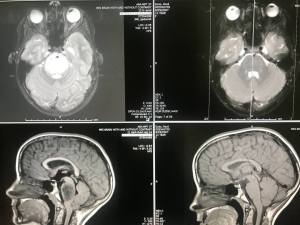
The images on the left are pre-radiation. Those on the right are post-radiation.
This is not the end of our girl’s medical treatment. As scientists, the doctors are encouraging continued immunotherapy treatments in clinical trials to combat any possible remaining cancer cells. Only time and periodic MRI’s will tell if the tumor returns. Regardless of what the future may hold, in the here and now, we, and thousands of others, are celebrating and giving God the glory for this miracle of grace and healing.
As the showers continued outside, my heart was flooding with song:
There shall be showers of blessings
This is the promise of Love.
There shall be seasons refreshing
Sent from the Savior above.
Thank you, God, for your showers of blessings—your miracle of healing, the miraculous medical interventions and technologies that you have allowed man to develop, your grace that sustains our faith, your faithfulness even as our faith falters with doubts, the love and support of friends, family, and total strangers—your kingdom here and now on earth. Thank you for the faith of a child who told her parents as they were driving home from the doctor visit: “You all just didn’t have enough faith. I knew it would be gone.”
We continue with prayers of thanksgiving and for sustained healing and good health for our girl.

When Our Leaders Fail to Lead
I sat in the Tyler ISD School Board meeting last night anticipating a vote and a decision that I would support–whatever the outcome–out of respect for the leadership and authority of the school board. I came away incredulous! The motion to change the name of Robert E. Lee High School and begin the new name selection process was followed by stony silence. The board president reminded the members that seconding a motion did not infer or require an affirmative vote. More silence from the dais and the crowd of approximately 100 citizens. The motion was allowed to die for lack of a second. What was going on? In the July board meeting, just two weeks previous, board members had expressed frustration with continued focus on the name change issue and rejected the ideas of more community input meetings or a subcommittee for further study. Instead, they urged an up or down vote on whether to change the name as a means to bring closure one way or another to the entire issue. I was not the only one bewildered after the board’s refusal to allow a vote in this special meeting called for that purpose. Though not the movie setting, “dazed and confused” would be an apt descriptor for many faces in the crowd.
Approximately a year ago after the incident surrounding the controversy of a Robert E. Lee statue in Charlottesville, Virginia, a grassroots effort focused on changing the name of the south Tyler Robert E. Lee High School sprouted and grew. Equally as quickly a counter group took root, and Tyler, once again was a divided community. More accurately the racial tensions that have long remained lumps under Tyler’s beautiful public carpet of roses and azaleas were exposed. The carpet was ripped up and the dust flew!
In September 2017 board members initially signaled support for a name change with one member asking, “Is it fair to make African-American students attend a school named for the leading figure of the Confederacy?” Another stated in reference to the name change, “This is not changing history, this is making a positive impact today,” and urged the board to “do the right thing. . . It’s time for a change.” So what happened? What changed in eleven months?
Unfortunately as the year progressed, the public and, I can only assume, the private discourse was not always civil and respectful. Dueling Facebook groups logged on and petitions swirled. Honestly, when I saw some of the posts, my heart broke and I thought, Oh, no, no! Let’s not go there! Attendance at school board meetings skyrocketed. Items regarding the name change issue were on the official board agenda four times during the past year. Approximately 150 to 200 citizens made public comments at these and other board meetings with the numbers for and against the change fairly equal. Needless to say, it was at times ugly.
Yes, the nature and tenor of the discourse changed. It became louder, more fractured, less civil, and at times plummeted to accusation and name-calling. Regrettably, some folks on both sides allowed their emotions and passions to cloud and disrupt their reason and respect. Interestingly, as the board members spoke moments prior to the “vote, but no vote,” their primary focus, with a couple of exceptions, was on the community. They expressed, sometimes loudly, their disapproval and disappointment in the process and chastised folks for the divisiveness, the disrespect, the lack of courtesy and civility. They argued that the name change issue was a political and social issue and not germane to the function of the board—to focus on successful student outcomes. They took offense to this issue “being forced upon the board” and “the predicament that we have been placed in.” They argued that a name change would be a betrayal of the taxpayers who approved a bond to construct and renovate John Tyler High School and Robert E. Lee High School and changing the name was equated to a “bait and switch” scheme. (Note: The actual proposition on the May 6, 2017 Official Ballot-Bond Election did not include the names of the two high schools.)
What I found even more interesting and unsettling was that again, with only a few exceptions, the board members did not talk about what they believed would be the impact of a name change or no name change on current or future students. Although they espoused their focus as a board was to work toward positive, successful student outcomes, I did not hear, “I believe changing the name would have a negative/positive impact on student achievement because. . .” I also did not hear, “I believe changing the name would have a positive/negative impact on our community because. . .” Logically, every issue before the board should be viewed through the lens of how will this impact student outcomes/achievement. How will it impact our community as a whole and thus our community of students? With few exceptions specific answers to these vital questions were not a large part of the board members’ discussion at this or any previous meeting to my knowledge.
Maybe, to the detriment of all, some in the community allowed their emotions to guide their discourse, and in the end, perhaps the majority of the board members did as well. As school board members and leaders of the community, they failed to lead. They failed to remain objectively focused on the issue—a school name change—and how that change would or would not impact student outcomes, now and in the future. Granted, it is a difficult, highly charged, emotional issue with prospects for a general consensus being very bleak even in the process of extended civil discourse. Surely, the board members knew this. Also, I would hope they knew when they ran for office that there would be times of difficult decisions, contentious personalities, unhappy people, and they could possibly, most probably, at some point be the target of someone’s ill-temper.
The community expected a vote. The board members had lead folks to believe that they wanted a vote, a decision. Why didn’t it happen? Why did our leaders fail to lead? I have my ideas, which are purely speculative and probably, for now, are best kept to myself. As I left the board meeting amidst the dazed and confused, I heard various descriptors–cowards, shameful, no moral courage, gutless. Well, I don’t know about all that. I do believe, in this instance they failed to rise above the fray, maintain their focus on the best possible student outcomes, measure the issue through that lens, and vote on a difficult issue. On this occasion, they failed to lead. One board member stated prior to the “vote, no vote” that no matter what the board had done up until this point this is how they’re going to be remembered. Unfortunately, I believe he is correct!
 Pilgrim Seeker Heretic